আপনি কি আপনার সপ্তাহান্তে আরাম করে কাটাতে চান বা আউটডোর খেলাধুলায় ব্যস্ত থাকতে চান? আপনি ঘুম থেকে উঠলে পাখির ডাক শুনতে চান? এখানে আপনার সমাধান! আপনার সুন্দর পরিকল্পিত বহিঃপ্রাঙ্গণটি ঠিক এটাই প্রদান করবে। তবে বেশিরভাগ বহিঃপ্রাঙ্গণ খোলা, যা আপনার উপভোগকে সীমাবদ্ধ করে।
তাই আপনার থিমের সাথে মেলে এবং রক্ষণাবেক্ষণ করা সহজ যেকোন উপযুক্ত, দীর্ঘস্থায়ী উপাদানে আপনার বহিঃপ্রাঙ্গণ কভার করার সময়। আপনি যখন আপনার বহিঃপ্রাঙ্গণ কভার করার সিদ্ধান্ত নেন, আপনার কোন অভিজ্ঞতা না থাকলে আপনার বহিঃপ্রাঙ্গণ কভারের জন্য কোন উপাদানটি সেরা তা নির্ধারণ করা কঠিন।
বিভিন্ন ধরণের প্যাটিও কভার বিভিন্ন উপকরণ, আকার এবং আকারে পাওয়া যায়। চিন্তা করবেন না; আমরা আপনার জন্য সেরা বহিঃপ্রাঙ্গণ কভার নির্ধারণে আপনাকে সহায়তা করব!
বহিঃপ্রাঙ্গণের ছাদের উপকরণগুলি অবশ্যই দীর্ঘস্থায়ী এবং চরম আবহাওয়া সহ্য করার জন্য যথেষ্ট শক্তিশালী হতে হবে।
বহিঃপ্রাঙ্গণ উপাদান কাঠামো বাকি মেলে আবশ্যক।
বহিঃপ্রাঙ্গণ উপকরণ প্রত্যাশিত হিসাবে সঞ্চালন আবশ্যক
বহিঃপ্রাঙ্গণকভারউপকরণতালিকা
পলিকার্বোনেট
কাঠ
অ্যালুমিনিয়াম
ধাতু
ভিনাইল
ফ্যাব্রিক
বোনা বাঁশ
গ্লাস
1. পলিকার্বোনেটপ্যাটিওকভার
পলিকার্বোনেট প্যাটিও কভার প্যানেল আকারে পাওয়া যায়। এই উপাদান তাপ এবং UV প্রতিরোধী, যা আপনাকে গ্রীষ্মে ঠান্ডা থাকতে সাহায্য করে। এই হালকা উপাদান ক্র্যাক বা ভাঙ্গা ছাড়া অনেক চাপ সহ্য করার জন্য যথেষ্ট শক্ত।
2.কাঠেরবহিঃপ্রাঙ্গণকভার
আপনি যদি প্রকৃতিকে ভালোবাসেন এবং আপনার বাড়িতে এটিকে জড়িত করতে চান তবে একটি কাঠের প্যাটিও কভার সবচেয়ে ভাল। কাঠের প্যাটিও কভার শক্তিশালী এবং দীর্ঘস্থায়ী হয়। এই বহিঃপ্রাঙ্গণ কভার একটি স্বাগত এবং উষ্ণ বহিরঙ্গন স্থান তৈরি করে।
3. অ্যালুমিনিয়ামপ্যাটিওকভার
অ্যালুমিনিয়াম প্যাটিও কভার হালকা এবং টেকসই। এই উপাদানটির উচ্চ মূল্য ন্যায্য কারণ এটি অত্যন্ত টেকসই। এই উপাদানটি ঘোরানো, ফাটল বা কাঠের মতো মোড়ানো যাবে না।
4. মেটালপ্যাটিওকভার
মেটাল প্যাটিও কভার সাধারণত অ্যালুমিনিয়াম দিয়ে তৈরি। এই উপাদানটিও শক্তিশালী এবং দীর্ঘস্থায়ী, পলিকার্বোনেটের মতো। যাইহোক, কারণ এটি কঠোর আবহাওয়ার অবস্থার প্রতিরোধী নয়, এই বহিঃপ্রাঙ্গণ কভার উপাদান অন্যান্য বহিঃপ্রাঙ্গণ উপকরণ তুলনায় আরো রক্ষণাবেক্ষণ প্রয়োজন.
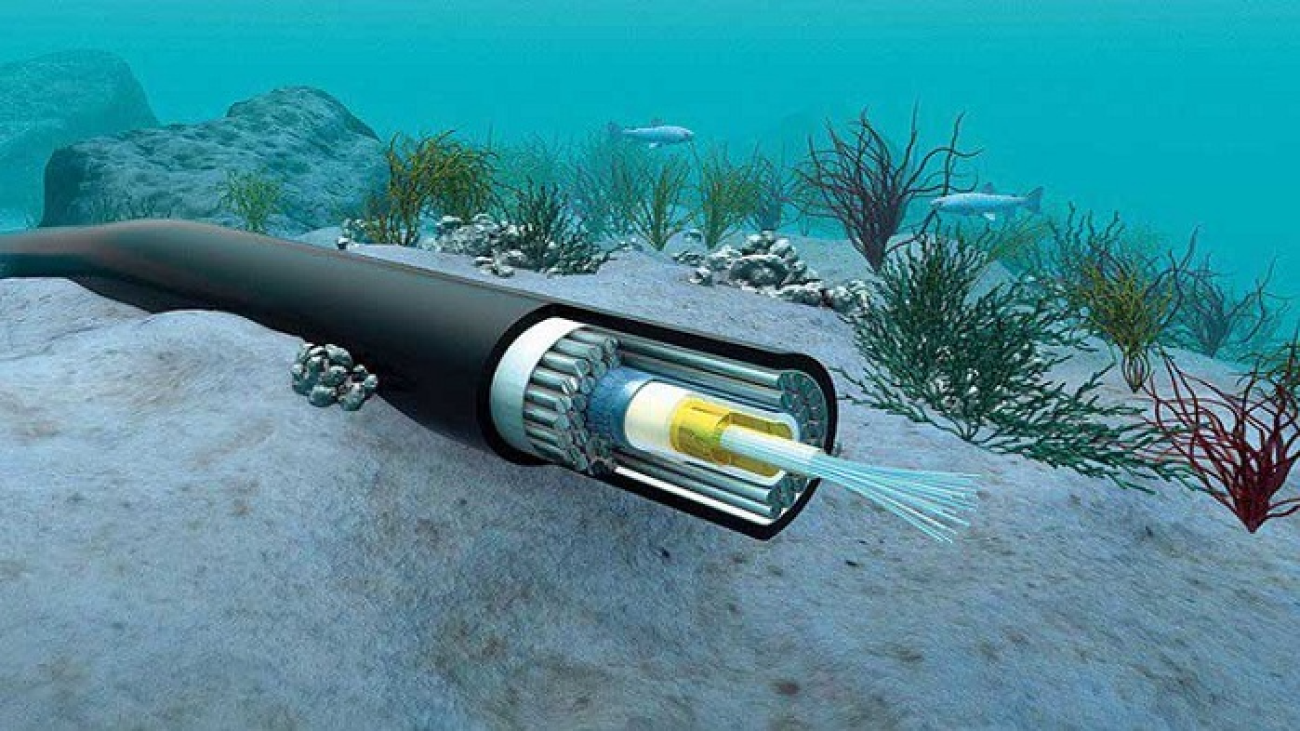
submarine communication cables are the backbone of global telecommunications, laying the foundation for instant communication between continents. Beginning in the 1850s, these undersea cables have evolved to meet modern technological demands. The first transatlantic telegraph cable, operational on August 16, 1858, marked the dawn of global connectivity. Today, submarine communication cables continue to advance, playing a crucial role in data transmission across the world’s oceans.
Structure of Modern Submarine Communication Cables
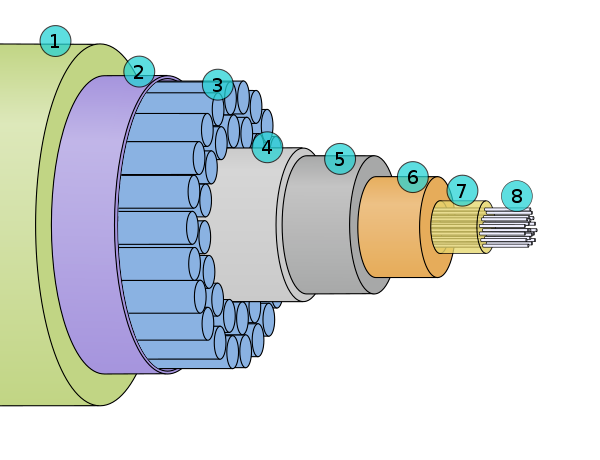
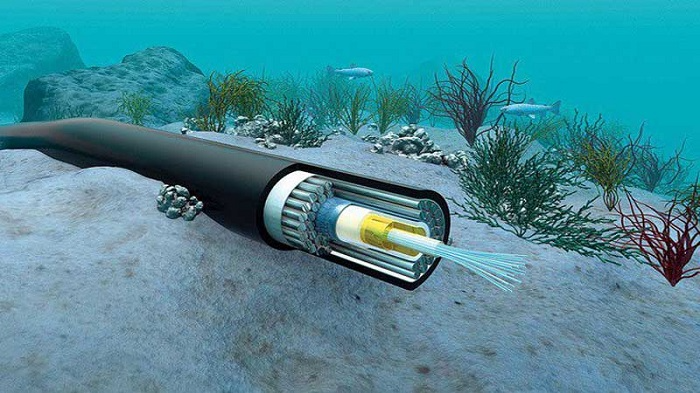
A modern submarine communication cable is a sophisticated piece of technology. Here’s a breakdown of its structure:
1 Polyethylene: This outer layer provides mechanical protection.
2 Mylar Tape: Adds further insulation and protection.
3 Stranded Steel Wires: Strengthens the cable and protects it against physical stresses.
4 Aluminum Water Barrier: Prevents water ingress.
5 Polycarbonate: Provides another layer of insulation.
6 Copper or Aluminum Tube: Houses the petroleum jelly and optical fibers.
7 Petroleum Jelly: Offers additional protection to the fibers.
8 Optical Fibers: The core component that transmits data using light signals.
These cables ensure the seamless transfer of data across vast distances, contributing to the Internet and other communication networks.
Environmental Impact of Undersea Communication Cables
The placement of submarine communication cables in the benthic zone, where most marine life resides, has raised environmental concerns. However, studies conducted in 2003 and 2006 showed minimal impact on marine ecosystems. Sampling of sediment around cables revealed little difference in organism diversity or abundance compared to areas without cables. Interestingly, cables often provide attachment points for anemones, enhancing local biodiversity.
From 1877 to 1955, there were 16 recorded instances of whales becoming entangled in cables. Modern advancements in cable-laying techniques, particularly with fiber-optic and coaxial cables, have eliminated these risks, making submarine communication cables safer for marine life.
Cable Layer Ships: The Backbone of Undersea Communication Networks
Cable layers, or cable ships, are specialized vessels designed to lay and repair submarine communication cables. There are two primary types:
Cable Repair Ships: Smaller and more maneuverable, these ships, like the Japanese Tsugaru Maru, are primarily tasked with fixing broken cables.
Cable-Laying Ships: Larger and less maneuverable, these ships, such as Long Lines, are designed to lay new cables quickly and efficiently. They are equipped with linear cable engines (LCE) and large cable storage drums, allowing for the rapid deployment of cables.
The modern cable ships have evolved from their predecessors, featuring advanced technology that allows for faster and more precise cable installation for developing industry.
Submarine Cable Technology: AC vs. DC
Most submarine cables are designed for alternating current (AC) transmission at medium or high voltages, up to 132kV. However, direct current (DC) cables are also used in certain applications, particularly for long-distance power transmission.
Bangladesh’s Submarine Communication Cables
3rd submarine cable in Bangladesh : Cox’s Bazar
The cable will have core landing stations in Singapore, India, Djibouti, Egypt and France. The Bangladesh branch will stretch to the cable landing station in Cox’s Bazar through the Bay of Bengal. On March 27, 2004, the Government of Bangladesh signed an agreement for the construction and maintenance of submarine cables in Dubai. Through this agreement with South-East-Asia-Middle-East-West Europe-4 (SEA-ME-WE-4) consortium of 16 telecom companies from 14 countries, Bangladesh has entered the super highway of information technology. The Bangladesh section is 1,240 km long in this 22,000 km connection line from Marseille, France to Singapore. Bangladesh joins this network at Cox’s Bazar. The government has to bear the cost of laying optical fiber from Dhaka and Chittagong to Cox’s Bazar for a distance of 170 km. On 21 May 2006, Bangladesh joined the information technology giant through the laying of submarine cable.
Bangladesh can join new submarines by 2021. Bangladesh has joined the new C-ME-6 consortium for its third submarine cable.
The entrepreneurs of this consortium have already been informed officially by letter that Bangladesh is staying in this cable. SEA-ME-WE (SEA-ME-WE) is an abbreviation for Southeast Asia, the Middle East, and Western Europe.As the cable is laid through this area, each cable is named as such. Such as C-Me-Wee 4, C-Me-Wee 5. The region’s countries in the latest C-ME-5 consortium included Bangladesh, Singapore, Malaysia, Indonesia, Thailand, Sri Lanka, India, Pakistan, Saudi Arabia, Qatar, Oman, UAE, Djibouti, Egypt, Turkey, Italy, France, Myanmar, Yemen.
These 19 countries are connected to it through 19 landing points. The new CMI-6 consortium will also include countries from Southeast Asia, the Middle East and Western Europe.
Now the bandwidth usage in the country has touched one thousand Gbps. At the end of November 2018, the total number of active internet connections in the country stood at 9.18 million. Out of which 86.2 million are connected through mobile phones.
Although there are only 57 lakh 35 thousand in number, most of the internet bandwidth is used through broadband. Apart from this, there are 61,000 WiMAX connections. tech city
Durgam has been connected to the national grid by laying 33 kV (kilovolt) overhead line from Cox’s Bazar’s Matarbari sub-station through river crossing towers, 5 km double circuit 33 KV submarine cable with fiber optic under Kutubdia channel and commissioning of 33/11 KV substation at Kutubdia Island. Island. 3 days ago.
Conclusion
Submarine communication cables are critical to our global communication infrastructure, connecting continents and enabling the rapid exchange of information. As technology advances, these cables will continue to play an essential role in the global digital ecosystem. Understanding their structure, impact, and the role of cable layer ships can help appreciate the intricate network that supports our modern way of life.
English is one of the most widely spoken languages in the world, and mastering it can unlock countless opportunities, both personally and professionally. Whether you want to advance in your career, travel more easily, or simply communicate better with others, learning how to develop English speaking skills is a valuable pursuit. In this comprehensive guide, we’ll explore practical and effective strategies to help you develop your English speaking skills. We’ll cover everything from foundational tips to advanced techniques, all optimized to ensure you not only learn but retain what you practice.
Why Developing English Speaking Skills Is Important
Before diving into the specific steps, it’s essential to understand why improving your English speaking skills is so crucial. In today’s globalized world, English serves as a bridge between cultures, countries, and communities. Whether you’re engaging in business negotiations, socializing with friends from different backgrounds, or consuming media, English is often the medium of communication.
Moreover, strong English speaking skills can significantly boost your confidence. When you’re able to express yourself clearly and effectively, you’re more likely to participate in conversations, share your ideas, and build stronger relationships. This confidence can translate into better job prospects, academic success, and a richer social life.
Practical Tips: How to Improve Your English Speaking Skills
1. Start with the Basics: Vocabulary and Grammar
Understanding how to improve English speaking skills begins with building a strong vocabulary. Start by focusing on everyday words and phrases that you’ll use frequently. Utilize flashcards, mobile apps, and language learning platforms like Duolingo or Memrise to reinforce your learning.
Grammar is just as crucial. While fluency may allow for some flexibility, having a solid grasp of English grammar will help you construct sentences accurately. Focus on the basics, such as tenses, sentence structure, and subject-verb agreement, before advancing to more complex rules.
2. Practice Pronunciation Regularly
Pronunciation can be one of the most challenging aspects of learning English, especially if your native language has different sounds. To improve your pronunciation:
Listen to Native Speakers: Watch movies, listen to podcasts, or tune into English-language news channels. Pay attention to how words are pronounced, and try to mimic the sounds as closely as possible.
Use Pronunciation Tools: Websites like Forvo, Pronuncian or apps like ELSA Speak can be invaluable in helping you practice and perfect your pronunciation.
Record Yourself: Recording your voice and listening back can help you identify areas for improvement. It might feel awkward initially, but it’s an effective method for self-correction.
3. Engage in Active Listening
Active listening is more than just hearing words; it’s about understanding the context, tone, and intent behind them. This skill is essential in learning how to improve English speaking skills:
Watch English Media: Whether it’s movies, TV shows, or YouTube videos, immerse yourself in English media. Try to follow along without subtitles initially, then watch again with them to catch any missed words.
Listen to Podcasts or Audiobooks: These are great for on-the-go learning. Choose topics you’re interested in to keep yourself engaged while improving your English speaking skills.
Practice Shadowing: This technique involves listening to a sentence and then immediately repeating it. It’s a powerful method used by language learners to improve pronunciation, rhythm, and intonation.
4. Speak as Much as Possible
The most effective way to improve your English speaking skills is to speak as often as possible. Here’s how you can incorporate speaking practice into your daily routine:
Find a Language Partner: Look for language exchange partners who want to learn your native language while helping you with English. Apps like Tandem or HelloTalk are perfect for this purpose.
Join English-Speaking Groups: Many cities have English-speaking clubs or groups where you can practice in a social setting. If you can’t find one nearby, consider joining online groups or forums.
Practice with Technology: Use voice assistants like Siri or Google Assistant to ask questions and practice your speaking skills. They’re surprisingly good at understanding various accents and can provide immediate feedback.
5. Think in English
One of the barriers to fluent speaking is the constant translation in your head. To overcome this, start thinking in English. This might sound difficult, but with practice, it becomes second nature.
Narrate Your Day: As you go about your daily activities, try describing what you’re doing in English. This will help you build a mental vocabulary that you can easily access during conversations.
Plan Conversations: Before engaging in a conversation, especially in English, think about what you want to say. This helps structure your thoughts and reduces the chances of freezing up.
6. Use Technology to Your Advantage
There are countless tools available today that can aid in your journey to improve your English speaking skills:
Language Learning Apps: Apps like Babbel, Rosetta Stone, and FluentU offer structured lessons that focus on both speaking and listening skills.
Speech Recognition Software: Tools like Google Translate’s conversation mode allow you to practice speaking and receive instant feedback.
Virtual Reality (VR): Some platforms offer VR experiences where you can practice speaking in simulated environments, like ordering food in a restaurant or asking for directions.
7. Focus on Fluency, Not Accuracy
While it’s important to speak correctly, don’t let the fear of making mistakes hold you back. Fluency comes from practice, and practice involves making errors. The more you speak, the more comfortable you’ll become, and over time, your accuracy will improve as well.
8. Learn Idioms and Colloquialisms
Native English speakers often use idioms and colloquial expressions that can be confusing for learners. Understanding these phrases will not only improve your comprehension but also make your speech sound more natural.
Use Idiom Dictionaries: There are numerous online resources that explain the meanings of idioms and provide examples of how to use them.
Watch Local Content: Watching content from different English-speaking countries (like the UK, US, or Australia) can expose you to regional expressions and slang.
9. Get Feedback from Native Speakers
Getting constructive feedback is also crucial when you’re learning to speak English, as it helps you identify areas where you can improve. Native speakers can help you identify areas for improvement that you might not notice yourself.
Take Online Courses: Platforms like iTalki or Preply allow you to take one-on-one lessons with native speakers who can give you personalized feedback.
Participate in Forums: Engage in online forums or communities where native speakers are active. Sites like Reddit have numerous language learning subreddits where you can ask questions and get feedback.
10. Be Patient and Persistent
Language learning is a marathon, not a sprint. Be patient with yourself and celebrate small wins as you progress. Set realistic goals, and keep in mind that improvement doesn’t happen overnight. The key to learning how to develop English speaking skills is consistency and persistence.
Keep a Learning Journal: Track your progress by noting new words, phrases, and expressions you’ve learned. Reflecting on your journey can be a great motivator.
Stay Consistent: Try to practice speaking every day, even if it’s just for a few minutes. Consistency is key to improvement and mastering how to improve your English speaking skills.
Conclusion: The Journey to Mastery
Improving your English speaking skills is a journey that requires dedication, practice, and a willingness to step out of your comfort zone. By following the tips and strategies outlined in this guide on how to improve English speaking skills, you can steadily enhance your proficiency and confidence in speaking English. Remember, the aim is to communicate effectively, not to be perfect. With time, patience, and persistence, you’ll find yourself speaking English with greater ease and fluency.
Embark on your journey today and discover how to develop English speaking skills that will transform your life. As your skills improve, you’ll open up new opportunities and broaden your horizons. By focusing on these practical steps and incorporating them into your daily routine, you’ll gradually improve your English speaking skills. The key is to practice consistently, stay patient, and embrace the learning process.
The Sceptical Chymist is a chemistry blog hosted by the prestigious scientific journal, Nature Chemistry. The blog features articles on various aspects of chemistry, including research news, interviews, opinion pieces, and book reviews. It was created to provide a platform for chemists and science writers to discuss and analyze developments in the field of chemistry, as well as broader issues facing the scientific community.
The blog is named after a book by Robert Boyle, a 17th-century chemist and philosopher, who was known for his skepticism and empirical approach to scientific inquiry. The book, “The Skeptical Chymist,” challenged the prevailing theories of alchemy and introduced the concept of the scientific method, which has since become a cornerstone of modern chemistry.
The Sceptical Chymist blog features contributions from a diverse group of writers, including chemists, science journalists, and educators. The articles cover a wide range of topics, from cutting-edge research in chemistry to broader issues affecting the scientific community. Some of the most popular topics covered in the blog include chemical reactions, materials science, drug discovery, and environmental chemistry.
One of the blog’s strengths is its focus on communicating complex scientific concepts in an accessible and engaging way. The writers use a mix of humor, storytelling, and visual aids to make chemistry interesting and understandable to a broad audience. For example, one recent article used popular TV shows like “Breaking Bad” and “Stranger Things” to explain the chemistry behind various plot points
Another important aspect of The Sceptical Chymist is its commitment to promoting diversity and inclusion in chemistry. The blog features articles and interviews with chemists from diverse backgrounds, and it explores issues related to gender, race, and other forms of identity in the field of chemistry. This focus on inclusivity is important, as it helps to broaden participation in the scientific community and ensures that a wider range of perspectives are represented.
In conclusion, The Sceptical Chymist is an engaging and informative chemistry blog that provides a platform for chemists and science writers to share their knowledge and insights with a wider audience. Its commitment to promoting diversity and inclusivity in the field of chemistry is also commendable, and it makes the blog an important resource for anyone interested in the latest developments in chemistry and the scientific community more broadly.
Electronics is a vast and rapidly-evolving field that encompasses everything from circuit design and programming to IoT and automation. With so much to learn and keep up with, it can be challenging for electronics enthusiasts to stay up-to-date with the latest trends and technologies. That’s where Electronics For You comes in.
Electronics For You is a comprehensive resource for electronics enthusiasts of all levels. Whether you’re a hobbyist, a student, or a professional engineer, you’ll find something of value on this blog. From articles on circuit design and programming to news about the latest electronics products and technologies, Electronics For You covers it all.
One of the main strengths of Electronics For You is its coverage of circuit design. Whether you’re just starting out or you’re an experienced engineer, you’ll find articles and tutorials that are tailored to your level of expertise. For beginners, there are articles on basic circuit concepts, such as voltage, current, and resistance. For more advanced readers, there are articles on topics like PCB layout and signal integrity.
In addition to circuit design, Electronics For You also covers programming, which is an essential skill for anyone who wants to work in electronics. Whether you’re interested in embedded systems programming or software development, you’ll find articles that cover everything from the basics of coding to advanced techniques and tools.
Another area that Electronics For You covers extensively is the Internet of Things (IoT). With more and more devices being connected to the internet every day, it’s becoming increasingly important for electronics enthusiasts to understand how IoT works and how to develop IoT-enabled devices. Electronics For You provides a wealth of information on IoT, including articles on IoT architecture, protocols, and security.
Of course, staying up-to-date with the latest electronics products and technologies is also important, and Electronics For You excels in this area as well. The blog features news and reviews of the latest electronics products, including everything from microcontrollers and sensors to smartphones and laptops.
Overall, Electronics For You is an essential resource for anyone who is interested in electronics. Whether you’re a beginner or an experienced engineer, you’ll find something of value on this blog. So if you’re looking to stay up-to-date with the latest trends and technologies in electronics, be sure to check out Electronics For You.
Electronics For You has been around since 1969, and it has a long history of providing valuable content to electronics enthusiasts. The blog is published by EFY Enterprises Pvt. Ltd., which is based in India. EFY Enterprises is a leading publisher of electronics magazines, books, and other resources, and Electronics For You is one of their flagship publications.
One of the things that sets Electronics For You apart from other electronics blogs is its focus on practical, hands-on content. The blog features articles and tutorials that are designed to help readers learn by doing. For example, there are articles on building your own projects, using open-source tools, and troubleshooting common problems.
Electronics For You also has a strong community aspect. The blog features a forum where readers can ask questions, share their own projects, and connect with other electronics enthusiasts. There are also regular contests and challenges that encourage readers to build and share their own projects.
In addition to the blog, Electronics For You also publishes a monthly magazine that covers a wide range of electronics topics. The magazine features in-depth articles, interviews with industry experts, and reviews of the latest electronics products. There are also special editions of the magazine that focus on specific topics, such as robotics, embedded systems, and power electronics.
Overall, Electronics For You is a comprehensive resource that covers all aspects of electronics, from circuit design and programming to IoT and automation. Whether you’re a beginner or an experienced engineer, you’ll find valuable information and resources on this blog. So if you’re passionate about electronics and want to stay up-to-date with the latest trends and technologies, be sure to check out Electronics For You.
Digital electronics is the branch of electronics that deals with digital signals or information, as opposed to analog signals. Digital electronics has revolutionized the world, making everything from computers to smartphones possible. It’s an essential part of our lives, and its impact will only continue to grow.
Digital electronics use binary digits (bits) to represent data or information. These bits can have only two possible values, 0 or 1, which can be represented physically by voltage levels or electrical charges. By using a series of bits, digital electronics can represent and manipulate a wide range of data and information, including text, images, and sound.
Digital electronics are also much more reliable and precise than analog electronics. Because digital signals are less affected by noise and interference, they can be transmitted over long distances without losing quality. In contrast, analog signals are often distorted by noise and interference, making them more difficult to work with.
Another advantage of digital electronics is their ability to process data and information quickly and accurately. Digital circuits can perform complex calculations and operations at high speeds, making them ideal for applications that require fast and efficient processing, such as computer systems, digital signal processing, and control systems.
One of the advantages of digital electronics is their reliability and precision. Digital signals are less affected by noise and interference, and they can be transmitted over long distances without losing quality. Digital circuits are also more flexible and versatile than analog circuits, as they can be easily reconfigured or updated to support new applications or features.
Some common digital electronic components include microprocessors, memory chips, digital-to-analog converters, and analog-to-digital converters. These components are used in a wide range of applications, including computer systems, digital cameras, and mobile devices.
Digital electronics have also enabled the development of many new technologies, including the internet, social media, and e-commerce. These technologies have transformed the way we communicate, work, and do business, making them an essential part of our daily lives.
In conclusion, digital electronics have revolutionized the world and will continue to shape the future. They offer reliability, precision, programmability, and versatility, making them a critical part of many modern technologies. From the devices we use every day to the infrastructure that supports our economy, digital electronics are an essential part of our world.
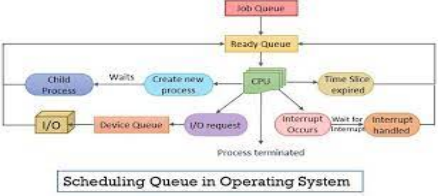
অপারেটিং সিস্টেমে Scheduling একটি সারি থেকে একটি প্রক্রিয়া নির্বাচন করার প্রক্রিয়া। নির্বাহের জন্য এই প্রক্রিয়াতে CPU বরাদ্দ করা। অপারেটিং সিস্টেম এমনভাবে প্রক্রিয়াগুলি নির্ধারণ করে যাতে CPU নিষ্ক্রিয় না থাকে।
অপারেটিং সিস্টেম শিডিউলিং সেই প্রক্রিয়াটিকে বোঝায় যার মাধ্যমে অপারেটিং সিস্টেম বিভিন্ন প্রক্রিয়া এবং কাজের জন্য CPU সময়, মেমরি এবং I/O ডিভাইসের মতো সংস্থানগুলি পরিচালনা করে এবং বরাদ্দ করে। সমস্ত প্রক্রিয়া এবং কাজগুলিকে সম্পদের ন্যায্য অংশ দেওয়া হয় এবং সিস্টেমটি প্রতিক্রিয়াশীল এবং দক্ষ থাকে তা নিশ্চিত করার জন্য এটি করা হয়।
অপারেটিং সিস্টেম দ্বারা ব্যবহৃত বিভিন্ন সময়সূচী অ্যালগরিদম রয়েছে, যার মধ্যে রয়েছে:
ফার্স্ট–কাম, ফার্স্ট–সার্ভড (FCFS): এটি হল সবচেয়ে সহজ শিডিউলিং অ্যালগরিদম, যেখানে প্রস্তুত সারিতে পৌঁছানোর প্রথম প্রক্রিয়াটি প্রথম কার্যকর করা হয়।
শর্টে স্ট জব ফার্স্ট (SJF): এই অ্যালগরিদমটি কার্যকর করার জন্য সবচেয়ে কম প্রত্যাশিত এক্সিকিউশন সময় সহ প্রক্রিয়াটি নির্বাচন করে।
রাউন্ড রবি ন(Round Robin): এই অ্যালগরিদম প্রতিটি প্রক্রিয়ার জন্য একটি নির্দিষ্ট সময় স্লাইস (কোয়ান্টাম) বরাদ্দ করে, এবং প্রস্তুত সারির মধ্যে দিয়ে চক্রাকারে চলে, প্রতিটি প্রক্রিয়াকে নির্দিষ্ট সময়ের স্লাইসের জন্য চালানোর পালা দেয়।
অগ্রাধি কার সময়সূচী(Priority Scheduling): এই অ্যালগরিদম প্রতিটি প্রক্রিয়ার জন্য একটি অগ্রাধিকার স্তর নির্ধারণ করে এবং সর্বোচ্চ অগ্রাধিকার সহ প্রক্রিয়াটিকে কার্যকর করার জন্য অগ্রাধিকার দেওয়া হয়।
মাল্টি–লেভেল কিউ শিডিউলিং(Multilevel Queue Scheduling): এই অ্যালগরিদম প্রস্তুত সারিকে একাধিক স্তরে ভাগ করে, প্রতিটি স্তরের জন্য আলাদা অগ্রাধিকার স্তর নির্ধারণ করা হয়।
মাল্টিলেভেল ফিডব্যাক কিউ শিডিউলিং(Multilevel Feedback Queue Scheduling): মাল্টিলেভেল কিউ শিডিউলিংয়ের মতো, কিন্তু প্রক্রিয়াগুলি তাদের আচরণের উপর ভিত্তি করে সারিগুলির মধ্যে স্থানান্তর করতে পারে।
প্রতিটি শিডিউলিং অ্যালগরিদমের নিজস্ব শক্তি এবং দর্বুর্বলতা রয়েছে এবং অ্যালগরিদমের পছন্দ অপারেটিং সিস্টেমের নির্দিষ্ট প্রয়োজনীয়তা এবং এটি যে সিস্টেমে চলছে তার উপর নির্ভর করে।
সময় নির্ধারণের Criteria হল সেই উপাদানগুলি যা একটি অপারেটিং সিস্টেমের সময়সূচী পরবর্তীতে কোন প্রক্রিয়াটি সম্পাদন করতে হবে তা নির্ধারণ করতে ব্যবহার করে। কিছুসাধারণ সময় নির্ধারণের Criteria মধ্যে রয়েছে:
CPU Utilization: সময়সূচী চালানোর জন্য প্রস্তুত প্রসেসগুলি নির্বাচন করে সিপিইউকে যতটা সম্ভব ব্যস্ত রাখার চেষ্টা করে।
Response Time: Reসময়সূচী একটি প্রতিক্রিয়া তৈরি করতে একটি প্রক্রিয়ার জন্য যে সময় লাগে তা কমানোর চেষ্টা করে।
Throughput: সময়সূচী প্রতি ইউনিট সময়ে সম্পন্ন হওয়া প্রক্রিয়াগুলির সংখ্যা সর্বাধিক করার চেষ্টা করে। Turnaround Time: সময়সূচী একটি প্রক্রিয়া সম্পূর্ণ হতে মোট সময় কমানোর চেষ্টা করে।
Waiting Time: সময়সূচী প্রস্তুত সারিতে অপেক্ষা করার সময় একটি প্রক্রিয়া ব্যয় করার পরিমাণ কমানোর চেষ্টা করে।
Fairness: সময়সূচী নিশ্চিত করার চেষ্টা করে যে প্রতিটি প্রক্রিয়া CPU সময়ের একটি ন্যায্য অংশ পায়।
বিভিন্ন সময়সূচী অ্যালগরিদম এই বিভিন্ন মানদণ্ডের উপর বিভিন্ন মাত্রার গুরুত্ব রাখে। উদাহরণস্বরূপ, রিয়েল-টাইম সিস্টেমগুলি প্রায়শই অন্যান্য সমস্ত মানদণ্ডের উপরে প্রতিক্রিয়া সময়কে অগ্রাধিকার দেয়, যখন ব্যাচ সিস্টেমগুলি থ্রুপুটকে অগ্রাধিকার দিতে পারে। একটি অপারেটিং সিস্টেমের নির্দিষ্ট প্রয়োজনীয়তা এবং এটি যে সিস্টেমে চলছে তা নির্ধারণ করবে কোন মানদণ্ড সবচেয়ে গুরুত্বপূর্ণ।র্ণ
সামগ্রিকভাবে, অপারেটিং সিস্টেম শিডিউলিংয়ের লক্ষ্য হল সিস্টেমের কর্মক্ষর্ম মতা optimise করা এবং নিশ্চিত করা যে সমস্ত প্রক্রিয়া এবং কাজগুলি দক্ষতার সাথে এবং ন্যায্যভাবে সম্পাদিত হয়।
কোন অপারেটিং সিস্টেম পরবর্তী এবং কতদিনের জন্য কোন প্রক্রিয়াটি সম্পাদন করা উচিত তা নির্ধারণ করতে সময় নির্ধারণের অ্যালগরিদম ব্যবহার করে। সময়সূচীর লক্ষ্য হল সিস্টেমের কর্মক্ষর্ম মতা optimise করা, যেমন থ্রুপুট সর্বাধিক করা এবং প্রতিক্রিয়া সময় কম করা।
New construction work often has a problem where the developer who did the construction does not offer consultancy or interior design, forcing the owner to resort to a new firm. The whole thing is time-consuming, troublesome, and in some cases expensive. To avoid this problem, the developer should choose an agency that provides all kinds of facilities in construction, consultancy, or interior design.
Does fast construction offer a way out of conventional problems? The first thing to keep in mind when constructing a new building these days is to meet the needs of investors and developers, design teams need to design the building in a way that helps the contractor to develop fast and efficient construction strategies to make the project profitable. These needs can be met through fast construction. Fast construction has become popular in our country with time. Although working with this method is very challenging and not completely risk-free, this construction method has several advantages.
Affordable
There is no room for overspending in this method as the budget is fixed before the work starts. Rather, it is possible for the owner to invest in other sectors while keeping an eye on the budget during the work. For example, in the case of health-related facilities, the owner can reduce the construction budget and instead spend on more modern medical equipment. Because of the short planning time, both the owner and the contractor can calculate what the costs will be, so they can be prepared in advance. In fast construction, you can be freed from the two situations of not collecting money in the middle or overspending of the budget. It is most cost-effective to rely on an organization that can undertake the task of completing the construction work quickly while maintaining quality standards. Normally there is a tendency to change the design or other details in the middle of the construction work, this is not the case during fast construction. Rather, in this case, all the design and planning work is fixed at the very beginning, so that there is no need to make any new changes in the middle of the work.
Profitable
The biggest advantage of fast construction system is that the commercial work can be started quickly after the construction of the building is completed. It is natural that the faster the ability to reach the market or the customer society can be achieved, the faster the organization will see the business profit. For example, in the case of telecommunication or information technology providers, it may be the case that reaching customers with services before competitors are ready. Again, in the health sector, it may be to provide the latest equipment or to acquire the ability to provide quick patient care. First of all, they need to complete the construction of the building. That’s why if the construction work can be completed as soon as possible, then it is possible for the business to enter the market quickly.
Cost Savings
Due to fast construction, incidental costs naturally come down due to faster completion of building work. Although slightly risky, fast tracking is the most effective way to reduce construction time. This method accomplishes work by starting tasks that need to be done sequentially at the same time and maintaining consistency between them. It is the responsibility of the construction manager to keep the cost figures in line with the progress of the design work.
An experienced team with good communication skills basically keeps the budget within reach. Firms experienced in fast construction provide solutions to all problems under one roof. In other words, they can easily take care of all matters as they have skilled manpower to undertake consultancy and interior designing along with building construction. And due to working together, the cost comes down a bit. Due to these reasons, fast construction is becoming popular among industrial and commercial organizations to get the best construction solution quickly within a limited budget.
কেন গ্রাফিক্স ডিজাইন টেকনোলজি ডিপ্লোমা ইঞ্জিনিয়ারিং এর জন্য সেরা পছন্দ?
গ্রাফিক ডিজাইনের জগতটি একটি গতিশীল এবং উত্তেজনাপূর্ণ ক্ষেত্র যা সৃজনশীলতা এবং প্রযুক্তিগত দক্ষতার সংমিশ্রণ প্রয়োজন। আপনি যদি গ্রাফিক ডিজাইনে ক্যারিয়ার অর্জনে আগ্রহী হন তবে গ্রাফিক্স ডিজাইনে ডিপ্লোমা দুর্দান্ত পছন্দ হতে পারে। এই পোস্টে, আপনি গ্রাফিক্স ডিজাইন প্রযুক্তিতে ডিপ্লোমা কেন করবেন এমন কয়েকটি কারণ আমরা অনুসন্ধান করব।
চাহিদা সম্পন্ন দক্ষতাঃ গ্রাফিক ডিজাইন আজকের ডিজিটাল জগতের একটি চাহিদা সম্পন্ন দক্ষতা। এছাড়াও ব্যবসায় অনলাইন হওয়ার সাথে সাথে দক্ষ গ্রাফিক ডিজাইনারদের প্রয়োজনীয়তা, যারা ওয়েবসাইট, সোশ্যাল মিডিয়া এবং অন্যান্য ডিজিটাল প্ল্যাটফর্মগুলির জন্য আকর্ষণীয় ভিজ্যুয়াল তৈরি করতে পারে। গ্রাফিক্স ডিজাইন প্রযুক্তিতে ডিপ্লোমা আপনাকে এই চাহিদা পূরণের জন্য প্রয়োজনীয় দক্ষতা অর্জন করতে এবং ক্ষেত্রটিতে সফল হতে সহায়তা করতে পারে।
সৃষ্টিশীল স্বাধীনতা: গ্রাফিক ডিজাইন একটি অত্যন্ত সৃজনশীল ক্ষেত্র যা আপনাকে আপনার শৈল্পিক দৃষ্টি প্রকাশ করতে এবং আপনার ধারণাগুলি প্রাণবন্ত করতে দেয়। গ্রাফিক্স ডিজাইন প্রযুক্তিতে ডিপ্লোমা আপনাকে আপনার সৃজনশীল দক্ষতা বিকাশ করতে এবং প্রিন্ট ডিজাইন থেকে ডিজিটাল ডিজাইন এবং অ্যানিমেশন পর্যন্ত বিভিন্ন মাধ্যমগুলি অন্বেষণ করতে সহায়তা করতে পারে।
প্রযুক্তিগত দক্ষতা: সৃজনশীলতা ছাড়াও, গ্রাফিক ডিজাইনের জন্য প্রযুক্তিগত দক্ষতার একটি শক্ত ভিত্তি প্রয়োজন। গ্রাফিক্স ডিজাইন প্রযুক্তিতে একটি ডিপ্লোমা আপনাকে অ্যাডোব ফটোশপ, অ্যাডোবি ইলাস্ট্রেটর এবং ইনডিজাইন সহ বিভিন্ন সফ্টওয়্যার দিয়ে কাজ করার জন্য প্রয়োজনীয় প্রযুক্তিগত দক্ষতা শিখিয়ে দিতে পারে।
ক্যারিয়ারের সুযোগ: গ্রাফিক্স ডিজাইন প্রযুক্তিতে আপনি বিভিন্ন Graphic Designer, Brand Identity Designer, Motion Graphic Designer, User Experience (UX) Designer, Multimedia Artist/Animator সহ বিভিন্ন পদে দেশের স্বনামধন্য অনেক কোম্পানীতে গ্রাফিক ডিজাইনে ক্যারিয়ারের সুযোগগুলি অনুসরণ করতে প্রস্তুত হবেন। তাছাও আপনার ফ্রিল্যান্সার হিসাবে কাজ করার বা আপনার নিজস্ব ডিজাইনের ব্যবসা শুরু করারও সুযোগ থাকতে পারে।
ব্যক্তিগত পরিপূর্ণতা: গ্রাফিক ডিজাইন এমন একটি ক্ষেত্র যা আপনাকে আপনার চারপাশের বিশ্বে ইতিবাচক প্রভাব ফেলতে সাহায্য করে। গুরুত্বপূর্ণ বার্তাগুলি যোগাযোগ করে এমন ভিজ্যুয়াল সামগ্রী তৈরি করে, আপনি অন্যদের যত্ন নিতে এবং অনুপ্রাণিত করার কারণগুলি প্রচার করতে সহায়তা করতে পারেন। গ্রাফিক্স ডিজাইন প্রযুক্তিতে ডিপ্লোমা আপনাকে আপনার কাজের মাধ্যমে অর্থবহ পার্থক্য করার জন্য প্রয়োজনীয় দক্ষতা এবং জ্ঞান দিতে পারে।
রিয়েল-ওয়ার্ল্ড অভিজ্ঞতা: গ্রাফিক্স ডিজাইন প্রযুক্তিতে রয়েছে বাস্তব-বিশ্বের অভিজ্ঞতার সুযোগ, যেমন ইন্টার্নশিপ বা স্থানীয় ব্যবসায়ের সাথে সহযোগী প্রজেক্টে সরাসরি কাজ করার সুযোগ। এটি আপনাকে ক্লায়েন্টদের সাথে কাজ করার এবং পেশাদার হয়ে আপনার কাজ প্রস্তুত করার মূল্যবান অভিজ্ঞতা দিতে পারে।
পোর্টফোলিও: গ্রাফিক্স ডিজাইন প্রযুক্তিতে ৪ বছরে ডিপ্লোমা প্রোগ্রাম জুড়ে, আপনার দক্ষতা এবং সৃজনশীলতা প্রদর্শন করে এমন কাজের একটি পোর্টফোলিও তৈরি করার সুযোগ পাবেন। চাকরীর জন্য আবেদন করার সময় বা আপনার নিজস্ব ডিজাইনের ব্যবসা শুরু করার সময় এই পোর্টফোলিওটি একটি মূল্যবান সম্পদ হতে পারে।
সহযোগিতা এবং নেটওয়ার্কিং: গ্রাফিক্স ডিজাইন প্রযুক্তিতে ডিপ্লোমা প্রোগ্রামের সময়, আপনি বিভিন্ন ক্ষেত্রে পেশাদার মানুষের সাথে নেটওয়ার্ক তৈরি করে অন্যান্য শিক্ষার্থী এবং প্রশিক্ষকদের সাথে কাজের করার সুযোগ পাবেন। এটি ভবিষ্যতের কাজের সুযোগ বা অংশীদারিত্বের দিকে পরিচালিত করতে পারে।
ফ্রিল্যান্সিংয়ের সুযোগ: গ্রাফিক্স ডিজাইন প্রযুক্তিতে আপনি একটি ফ্রিল্যান্সার হিসাবে কাজ করার সুযোগ পাবেন, project-by-project এর ভিত্তিতে ক্লায়েন্টদের আপনার পরিষেবাগুলি সরবরাহ করছেন। ফ্রিল্যান্সিং আপনাকে আপনার কাজের উপর বৃহত্তর নমনীয়তা এবং নিয়ন্ত্রণ সরবরাহ করতে পারে এবং traditional কর্মসংস্থানের চেয়ে বেশি উপার্জনের সম্ভাবনাও বাড়িয়ে তুলতে পারে। গ্রাফিক্স ডিজাইন প্রযুক্তিতে ডিপ্লোমা থেকে প্রাপ্ত দক্ষতা এবং জ্ঞান সহ, আপনি ফ্রিল্যান্স গ্রাফিক ডিজাইনার হিসাবে সফল হতে সাহায্য করবে।
সামগ্রিকভাবে, গ্রাফিক্স ডিজাইন প্রযুক্তিতে ডিপ্লোমা গ্রাফিক ডিজাইনে ক্যারিয়ার অর্জনে আগ্রহী যে কোনও ব্যক্তির পক্ষে দুর্দান্ত পছন্দ হতে পারে। এটি সৃজনশীলতা এবং প্রযুক্তিগত দক্ষতার সংমিশ্রণ সরবরাহ করে যা আজকের ডিজিটাল বিশ্বে চাহিদা রয়েছে এবং আপনাকে ক্ষেত্রটিতে সফল হওয়ার জন্য প্রয়োজনীয় সরঞ্জামগুলি আপনাকে সরবরাহ করতে পারে।
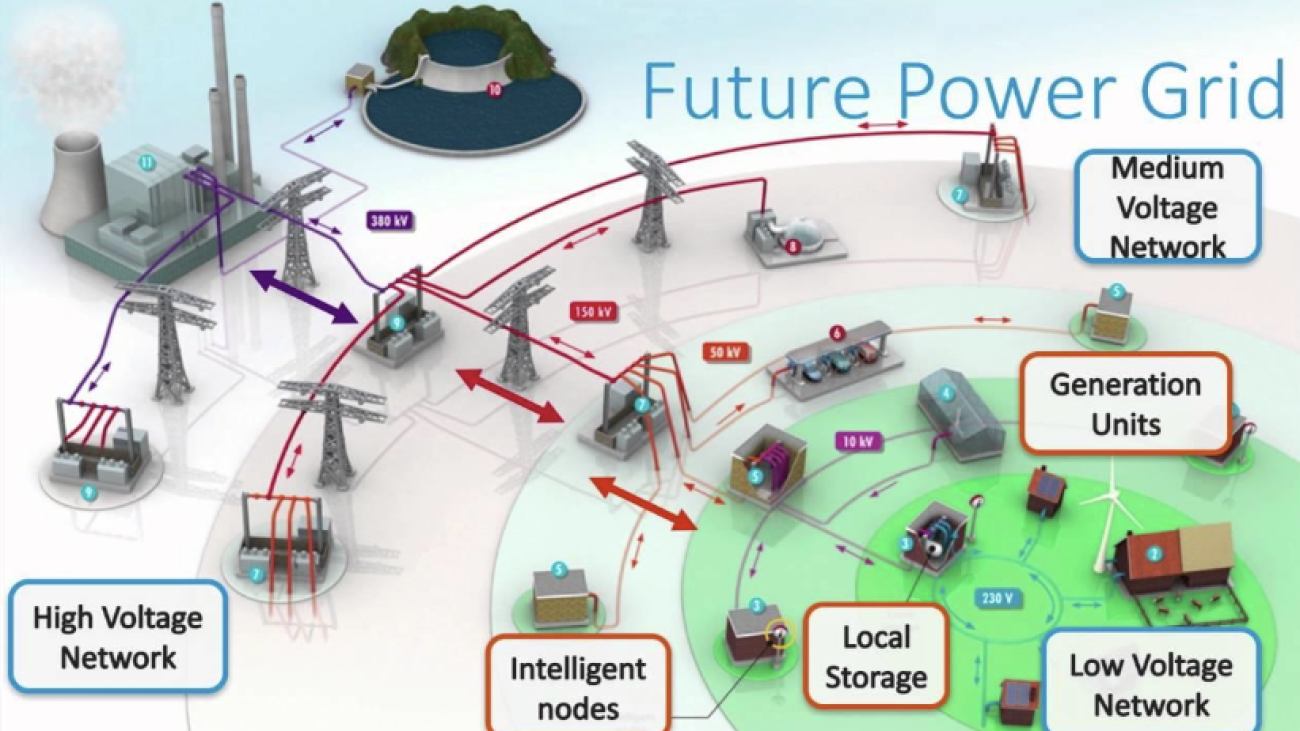
Power systems design is a critical aspect of electrical engineering that involves the creation of systems and components that provide, distribute, and control electrical power. From the power grid that delivers electricity to homes and businesses to the batteries that power our devices, power systems design plays a vital role in modern technology and society.
The goal of power systems design is to create systems that are safe, reliable, and efficient. This requires a deep understanding of electrical power systems, as well as the ability to design and integrate a wide range of components, from transformers and generators to protection devices and control systems.
One of the biggest challenges in power systems design is balancing efficiency and reliability. While it is important to maximize efficiency to reduce energy costs and minimize waste, it is equally important to ensure that the system is reliable and able to function without interruption. This requires a careful consideration of the system’s design, including the choice of components, the placement of equipment, and the protection of sensitive components from potential damage or failure.
Another important aspect of power systems design is safety. Electrical power systems can pose a significant risk to people and property, so it is essential that they are designed and installed with safety in mind. This includes ensuring that equipment is properly grounded, that systems are protected against overvoltages and overcurrents, and that adequate measures are in place to prevent accidents or malfunctions.
One of the key trends in power systems design is the increasing use of renewable energy sources, such as solar and wind power. This requires the design of systems that are able to efficiently integrate these sources into the existing power grid, as well as manage the associated variability and intermittency of these sources.
Whether you are designing a new electrical power system or upgrading an existing one, power systems design is a complex and challenging field that requires a deep understanding of electrical engineering principles and the ability to integrate a wide range of components and technologies. Whether you are an engineer, designer, or student, learning about power systems design is a valuable investment in your future and the future of technology.
In conclusion, power systems design plays a vital role in modern technology and society, providing the foundation for safe, reliable, and efficient electrical power systems. Whether you’re working in the field or just interested in learning more, the world of power systems design is full of exciting challenges and opportunities.