

image-5

Making a Successful Resume and Cover Letter for Bangladeshi Diploma Engineers

Having a strong CV and cover letter is essential while trying to land a job as a diploma engineer in Bangladesh. You can stand out from the competition and improve your chances of being noticed by potential employers by creating a powerful resume and cover letter. The following advice will be to create a resume and cover letter that will stand out.

Create a resume and cover letter specifically for the position you’re looking for. Spend some time researching the position you are looking for before you begin to write your resume and cover letter. Find out what qualities and talents the company is looking for, and make sure to highlight them in your cover letter and CV. This will demonstrate to the company that you are aware of the job’s criteria and that you possess the qualifications they are seeking in a candidate.

For instance, if you’re seeking a position in textile engineering, be sure to emphasize your familiarity with fabric testing, quality control, and textile production procedures. In your resume, if you’re searching for a position in computer engineering, be sure to emphasize your knowledge of coding languages and software development tools. 

Emphasize your understanding of project management, safety laws, and building materials when applying for positions in civil engineering.

Consider your accomplishments rather than just your work responsibilities.

Instead of merely seeing a list of your obligations, employers want to know what you have actually done in past positions. Make careful to draw attention to particular accomplishments that showcase your talents and abilities while writing your resume and cover letter. Included here are any accomplishments that demonstrate your prospective worth to the company, such as projects you’ve finished, accolades you’ve won, or other recognition.

If you are a textile engineer, for instance, you may discuss a project where you improved the production procedure to decrease waste and boost efficiency. If you are a computer engineer, describe a project where you created new software that increased productivity or fixed a particular issue. Mention a project where you planned and managed the construction of a building or piece of infrastructure if you are a civil engineer.

Use the job description’s terms and phrases.

Many businesses analyze cover letters and resume for particular words and phrases using automated algorithms. Use keywords and phrases from the job description in your cover letter and CV to improve your chances of being found by these algorithms.
This will demonstrate to the company that you possess the abilities and credentials they are seeking.

Make sure to highlight your expertise with CAD software in your resume and cover letter, for instance, if the job description stresses the requirement for understanding of CAD software for textile engineering. Make sure to mention your experience with Java programming in your resume and cover letter if the job description highlights the requirement for Java programming skills for computer engineering. Make sure to indicate your familiarity with building codes in your resume and cover letter if the job description highlights the requirement for understanding building codes for civil engineers.

Draw attention to your soft abilities.

In addition to technical skills and qualifications, employers are also looking for candidates with strong soft skills. Soft skills are personal attributes that enable you to interact effectively with others and include skills like communication, teamwork, leadership, and problem-solving.

Make sure to highlight your soft skills in your resume and cover letter. For example, if you’re a textile engineer, mention your ability to work effectively in a team environment and your strong communication skills. If you’re a computer engineer, mention your ability to troubleshoot problems and your experience leading a team of developers. If you’re a civil engineer, mention your experience with project management and your ability to work under pressure.

Use a professional format and design.

Finally, make sure that your resume and cover letter have a professional format and design.

Highlight Your Technical Abilities: Demonstrating your technical abilities in your resume may have a big influence. Technical skills are essential for diploma engineers in Bangladesh. An architect, for instance, would promote their proficiency with AutoCAD, Revit, and SketchUp, whereas an automobile engineer might do so by highlighting their familiarity with automotive software like MATLAB and Simulink.

Display Your Professional Success: Employers in Bangladesh are interested in applicants who have contributed significantly to their prior businesses. For instance, civil engineers can discuss their involvement in the planning of a significant infrastructure project or their contribution to the creation of a new technology. These accomplishments can help you stand out from the competition and enhance your candidacy.

Employers in Bangladesh frequently use applicant tracking systems (ATS) to review resumes, so make use of the keywords from the job description. Include pertinent keywords from the job description in your resume and cover letter to boost your chances of being called in for an interview. An electrical engineer, for instance, may use the terms “power distribution,” “control systems,” and “circuit design” to highlight their proficiency.

Personalize Your Cover Letter and Resume: Employers in Bangladesh value candidates who take the time to tailor their application materials to the particulars of the position because every job application is different.

. For instance, a car engineer asking for a research and development post might emphasize their prototype and testing experience, whereas an architect engineer applying for a project management position can emphasize their leadership and organizational abilities.

Strong action verbs should be included in your resume and cover letter to demonstrate your abilities and expertise. Use stronger verbs like “designed,” “implemented,” and “managed” in place of weak verbs like “assisted” or “worked on.” A civil engineer, for instance, may use the action verb “oversaw” to indicate their function as a team leader of construction workers.

You may increase your chances of getting hired as a diploma engineer in Bangladesh by including these suggestions in your resume and cover letter, regardless of whether you have a professional background in architectural engineering, civil engineering, or car engineering.
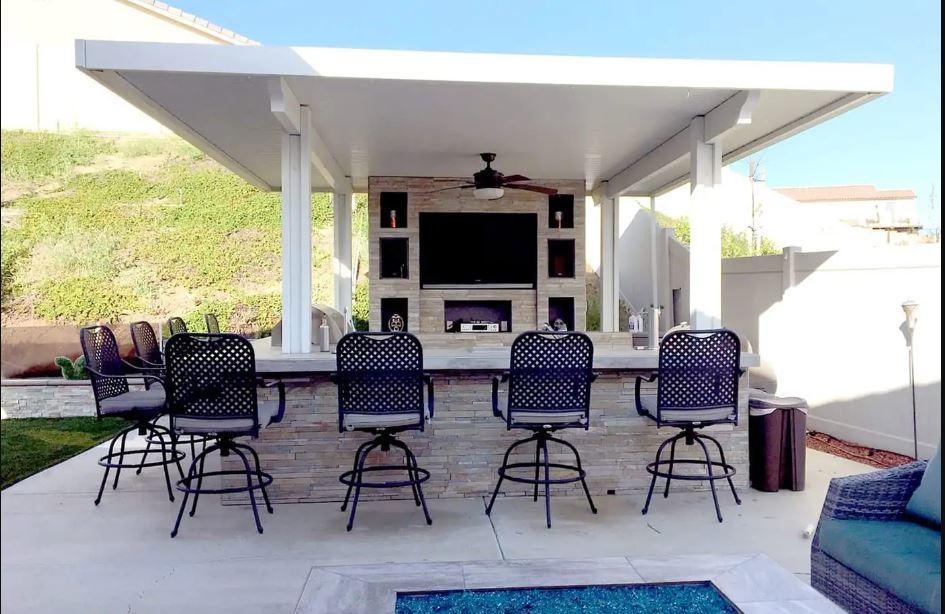
image-3

Patio cover roofing materials

āĻĒā§āϝāĻžāϟāĻŋāĻ“ āĻ•āĻ­āĻžāϰ āĻ›āĻžāĻĻ āωāĻĒāĻ•āϰāĻŖ

āφāĻĒāύāĻŋ āĻ•āĻŋ āφāĻĒāύāĻžāϰ āϏāĻĒā§āϤāĻžāĻšāĻžāĻ¨ā§āϤ⧇ āφāϰāĻžāĻŽ āĻ•āϰ⧇ āĻ•āĻžāϟāĻžāϤ⧇ āϚāĻžāύ āĻŦāĻž āφāωāϟāĻĄā§‹āϰ āϖ⧇āϞāĻžāϧ⧁āϞāĻžāϝāĻŧ āĻŦā§āϝāĻ¸ā§āϤ āĻĨāĻžāĻ•āϤ⧇ āϚāĻžāύ? āφāĻĒāύāĻŋ āϘ⧁āĻŽ āĻĨ⧇āϕ⧇ āωāĻ āϞ⧇ āĻĒāĻžāĻ–āĻŋāϰ āĻĄāĻžāĻ• āĻļ⧁āύāϤ⧇ āϚāĻžāύ? āĻāĻ–āĻžāύ⧇ āφāĻĒāύāĻžāϰ āϏāĻŽāĻžāϧāĻžāύ! āφāĻĒāύāĻžāϰ āϏ⧁āĻ¨ā§āĻĻāϰ āĻĒāϰāĻŋāĻ•āĻ˛ā§āĻĒāĻŋāϤ āĻŦāĻšāĻŋāσāĻĒā§āϰāĻžāĻ™ā§āĻ—āĻŖāϟāĻŋ āĻ āĻŋāĻ• āĻāϟāĻžāχ āĻĒā§āϰāĻĻāĻžāύ āĻ•āϰāĻŦ⧇āĨ¤ āϤāĻŦ⧇ āĻŦ⧇āĻļāĻŋāϰāĻ­āĻžāĻ— āĻŦāĻšāĻŋāσāĻĒā§āϰāĻžāĻ™ā§āĻ—āĻŖ āĻ–ā§‹āϞāĻž, āϝāĻž āφāĻĒāύāĻžāϰ āωāĻĒāĻ­ā§‹āĻ—āϕ⧇ āϏ⧀āĻŽāĻžāĻŦāĻĻā§āϧ āĻ•āϰ⧇āĨ¤

āϤāĻžāχ āφāĻĒāύāĻžāϰ āĻĨāĻŋāĻŽā§‡āϰ āϏāĻžāĻĨ⧇ āĻŽā§‡āϞ⧇ āĻāĻŦāĻ‚ āϰāĻ•ā§āώāĻŖāĻžāĻŦ⧇āĻ•ā§āώāĻŖ āĻ•āϰāĻž āϏāĻšāϜ āϝ⧇āϕ⧋āύ āωāĻĒāϝ⧁āĻ•ā§āϤ, āĻĻā§€āĻ°ā§āϘāĻ¸ā§āĻĨāĻžāϝāĻŧā§€ āωāĻĒāĻžāĻĻāĻžāύ⧇ āφāĻĒāύāĻžāϰ āĻŦāĻšāĻŋāσāĻĒā§āϰāĻžāĻ™ā§āĻ—āĻŖ āĻ•āĻ­āĻžāϰ āĻ•āϰāĻžāϰ āϏāĻŽāϝāĻŧāĨ¤ āφāĻĒāύāĻŋ āϝāĻ–āύ āφāĻĒāύāĻžāϰ āĻŦāĻšāĻŋāσāĻĒā§āϰāĻžāĻ™ā§āĻ—āĻŖ āĻ•āĻ­āĻžāϰ āĻ•āϰāĻžāϰ āϏāĻŋāĻĻā§āϧāĻžāĻ¨ā§āϤ āύ⧇āύ, āφāĻĒāύāĻžāϰ āϕ⧋āύ āĻ…āĻ­āĻŋāĻœā§āĻžāϤāĻž āύāĻž āĻĨāĻžāĻ•āϞ⧇ āφāĻĒāύāĻžāϰ āĻŦāĻšāĻŋāσāĻĒā§āϰāĻžāĻ™ā§āĻ—āĻŖ āĻ•āĻ­āĻžāϰ⧇āϰ āϜāĻ¨ā§āϝ āϕ⧋āύ āωāĻĒāĻžāĻĻāĻžāύāϟāĻŋ āϏ⧇āϰāĻž āϤāĻž āύāĻŋāĻ°ā§āϧāĻžāϰāĻŖ āĻ•āϰāĻž āĻ•āĻ āĻŋāύāĨ¤

āĻŦāĻŋāĻ­āĻŋāĻ¨ā§āύ āϧāϰāϪ⧇āϰ āĻĒā§āϝāĻžāϟāĻŋāĻ“ āĻ•āĻ­āĻžāϰ āĻŦāĻŋāĻ­āĻŋāĻ¨ā§āύ āωāĻĒāĻ•āϰāĻŖ, āφāĻ•āĻžāϰ āĻāĻŦāĻ‚ āφāĻ•āĻžāϰ⧇ āĻĒāĻžāĻ“āϝāĻŧāĻž āϝāĻžāϝāĻŧāĨ¤ āϚāĻŋāĻ¨ā§āϤāĻž āĻ•āϰāĻŦ⧇āύ āύāĻž; āφāĻŽāϰāĻž āφāĻĒāύāĻžāϰ āϜāĻ¨ā§āϝ āϏ⧇āϰāĻž āĻŦāĻšāĻŋāσāĻĒā§āϰāĻžāĻ™ā§āĻ—āĻŖ āĻ•āĻ­āĻžāϰ āύāĻŋāĻ°ā§āϧāĻžāϰāϪ⧇ āφāĻĒāύāĻžāϕ⧇ āϏāĻšāĻžāϝāĻŧāϤāĻž āĻ•āϰāĻŦ!

āϝāĻžāχāĻšā§‹āĻ•, āφāĻĒāύāĻŋ āĻāĻ•āϟāĻŋ āĻŦāĻšāĻŋāσāĻĒā§āϰāĻžāĻ™ā§āĻ—āĻŖ āĻ•āĻ­āĻžāϰ āϚāϝāĻŧāύ āĻ•āϰāĻžāϰ āφāϗ⧇, āύāĻŋāĻŽā§āύāϞāĻŋāĻ–āĻŋāϤ āĻŦāĻŋāĻŦ⧇āϚāύāĻž āĻ•āϰ⧁āύ:

āĻŦāĻšāĻŋāσāĻĒā§āϰāĻžāĻ™ā§āĻ—āϪ⧇āϰ āĻ›āĻžāĻĻ⧇āϰ āωāĻĒāĻ•āϰāĻŖāϗ⧁āϞāĻŋ āĻ…āĻŦāĻļā§āϝāχ āĻĻā§€āĻ°ā§āϘāĻ¸ā§āĻĨāĻžāϝāĻŧā§€ āĻāĻŦāĻ‚ āϚāϰāĻŽ āφāĻŦāĻšāĻžāĻ“āϝāĻŧāĻž āϏāĻšā§āϝ āĻ•āϰāĻžāϰ āϜāĻ¨ā§āϝ āϝāĻĨ⧇āĻˇā§āϟ āĻļāĻ•ā§āϤāĻŋāĻļāĻžāϞ⧀ āĻšāϤ⧇ āĻšāĻŦ⧇āĨ¤

āĻŦāĻšāĻŋāσāĻĒā§āϰāĻžāĻ™ā§āĻ—āĻŖ āωāĻĒāĻžāĻĻāĻžāύ āĻ•āĻžāĻ āĻžāĻŽā§‹ āĻŦāĻžāĻ•āĻŋ āĻŽā§‡āϞ⧇ āφāĻŦāĻļā§āϝāĻ•āĨ¤

āĻŦāĻšāĻŋāσāĻĒā§āϰāĻžāĻ™ā§āĻ—āĻŖ āωāĻĒāĻ•āϰāĻŖ āĻĒā§āϰāĻ¤ā§āϝāĻžāĻļāĻŋāϤ āĻšāĻŋāϏāĻžāĻŦ⧇ āϏāĻžā§āϚāĻžāϞāύ āφāĻŦāĻļā§āϝāĻ•

āĻŦāĻšāĻŋāσāĻĒā§āϰāĻžāĻ™ā§āĻ—āĻŖ āĻ•āĻ­āĻžāϰ āωāĻĒāĻ•āϰāĻŖ āϤāĻžāϞāĻŋāĻ•āĻž 

  1. āĻĒāϞāĻŋāĻ•āĻžāĻ°ā§āĻŦā§‹āύ⧇āϟ
  2. āĻ•āĻžāĻ 
  3. āĻ…ā§āϝāĻžāϞ⧁āĻŽāĻŋāύāĻŋāϝāĻŧāĻžāĻŽ
  4. āϧāĻžāϤ⧁
  5. āĻ­āĻŋāύāĻžāχāϞ
  6. āĻĢā§āϝāĻžāĻŦā§āϰāĻŋāĻ•
  7. āĻŦā§‹āύāĻž āĻŦāĻžāρāĻļ
  8. āĻ—ā§āϞāĻžāϏ

1. āĻĒāϞāĻŋāĻ•āĻžāĻ°ā§āĻŦā§‹āύ⧇āϟ āĻĒā§āϝāĻžāϟāĻŋāĻ“ āĻ•āĻ­āĻžāϰ

āĻĒāϞāĻŋāĻ•āĻžāĻ°ā§āĻŦā§‹āύ⧇āϟ āĻĒā§āϝāĻžāϟāĻŋāĻ“ āĻ•āĻ­āĻžāϰ āĻĒā§āϝāĻžāύ⧇āϞ āφāĻ•āĻžāϰ⧇ āĻĒāĻžāĻ“āϝāĻŧāĻž āϝāĻžāϝāĻŧāĨ¤ āĻāχ āωāĻĒāĻžāĻĻāĻžāύ āϤāĻžāĻĒ āĻāĻŦāĻ‚ UV āĻĒā§āϰāϤāĻŋāϰ⧋āϧ⧀, āϝāĻž āφāĻĒāύāĻžāϕ⧇ āĻ—ā§āϰ⧀āĻˇā§āĻŽā§‡ āĻ āĻžāĻ¨ā§āĻĄāĻž āĻĨāĻžāĻ•āϤ⧇ āϏāĻžāĻšāĻžāĻ¯ā§āϝ āĻ•āϰ⧇āĨ¤ āĻāχ āĻšāĻžāϞāĻ•āĻž āωāĻĒāĻžāĻĻāĻžāύ āĻ•ā§āĻ°ā§āϝāĻžāĻ• āĻŦāĻž āĻ­āĻžāĻ™ā§āĻ—āĻž āĻ›āĻžāĻĄāĻŧāĻž āĻ…āύ⧇āĻ• āϚāĻžāĻĒ āϏāĻšā§āϝ āĻ•āϰāĻžāϰ āϜāĻ¨ā§āϝ āϝāĻĨ⧇āĻˇā§āϟ āĻļāĻ•ā§āϤāĨ¤

2.āĻ•āĻžāϠ⧇āϰ āĻŦāĻšāĻŋāσāĻĒā§āϰāĻžāĻ™ā§āĻ—āĻŖ āĻ•āĻ­āĻžāϰ

āφāĻĒāύāĻŋ āϝāĻĻāĻŋ āĻĒā§āϰāĻ•ā§ƒāϤāĻŋāϕ⧇ āĻ­āĻžāϞ⧋āĻŦāĻžāϏ⧇āύ āĻāĻŦāĻ‚ āφāĻĒāύāĻžāϰ āĻŦāĻžāĻĄāĻŧāĻŋāϤ⧇ āĻāϟāĻŋāϕ⧇ āϜāĻĄāĻŧāĻŋāϤ āĻ•āϰāϤ⧇ āϚāĻžāύ āϤāĻŦ⧇ āĻāĻ•āϟāĻŋ āĻ•āĻžāϠ⧇āϰ āĻĒā§āϝāĻžāϟāĻŋāĻ“ āĻ•āĻ­āĻžāϰ āϏāĻŦāĻšā§‡āϝāĻŧ⧇ āĻ­āĻžāϞāĨ¤ āĻ•āĻžāϠ⧇āϰ āĻĒā§āϝāĻžāϟāĻŋāĻ“ āĻ•āĻ­āĻžāϰ āĻļāĻ•ā§āϤāĻŋāĻļāĻžāϞ⧀ āĻāĻŦāĻ‚ āĻĻā§€āĻ°ā§āϘāĻ¸ā§āĻĨāĻžāϝāĻŧā§€ āĻšāϝāĻŧāĨ¤ āĻāχ āĻŦāĻšāĻŋāσāĻĒā§āϰāĻžāĻ™ā§āĻ—āĻŖ āĻ•āĻ­āĻžāϰ āĻāĻ•āϟāĻŋ āĻ¸ā§āĻŦāĻžāĻ—āϤ āĻāĻŦāĻ‚ āωāĻˇā§āĻŖ āĻŦāĻšāĻŋāϰāĻ™ā§āĻ—āύ āĻ¸ā§āĻĨāĻžāύ āϤ⧈āϰāĻŋ āĻ•āϰ⧇āĨ¤

3. āĻ…ā§āϝāĻžāϞ⧁āĻŽāĻŋāύāĻŋāϝāĻŧāĻžāĻŽ āĻĒā§āϝāĻžāϟāĻŋāĻ“ āĻ•āĻ­āĻžāϰ

āĻ…ā§āϝāĻžāϞ⧁āĻŽāĻŋāύāĻŋāϝāĻŧāĻžāĻŽ āĻĒā§āϝāĻžāϟāĻŋāĻ“ āĻ•āĻ­āĻžāϰ āĻšāĻžāϞāĻ•āĻž āĻāĻŦāĻ‚ āĻŸā§‡āĻ•āϏāχāĨ¤ āĻāχ āωāĻĒāĻžāĻĻāĻžāύāϟāĻŋāϰ āωāĻšā§āϚ āĻŽā§‚āĻ˛ā§āϝ āĻ¨ā§āϝāĻžāĻ¯ā§āϝ āĻ•āĻžāϰāĻŖ āĻāϟāĻŋ āĻ…āĻ¤ā§āϝāĻ¨ā§āϤ āĻŸā§‡āĻ•āϏāχāĨ¤ āĻāχ āωāĻĒāĻžāĻĻāĻžāύāϟāĻŋ āĻ˜ā§‹āϰāĻžāύ⧋, āĻĢāĻžāϟāϞ āĻŦāĻž āĻ•āĻžāϠ⧇āϰ āĻŽāϤ⧋ āĻŽā§‹āĻĄāĻŧāĻžāύ⧋ āϝāĻžāĻŦ⧇ āύāĻžāĨ¤

4. āĻŽā§‡āϟāĻžāϞ āĻĒā§āϝāĻžāϟāĻŋāĻ“ āĻ•āĻ­āĻžāϰ

āĻŽā§‡āϟāĻžāϞ āĻĒā§āϝāĻžāϟāĻŋāĻ“ āĻ•āĻ­āĻžāϰ āϏāĻžāϧāĻžāϰāĻŖāϤ āĻ…ā§āϝāĻžāϞ⧁āĻŽāĻŋāύāĻŋāϝāĻŧāĻžāĻŽ āĻĻāĻŋāϝāĻŧ⧇ āϤ⧈āϰāĻŋāĨ¤ āĻāχ āωāĻĒāĻžāĻĻāĻžāύāϟāĻŋāĻ“ āĻļāĻ•ā§āϤāĻŋāĻļāĻžāϞ⧀ āĻāĻŦāĻ‚ āĻĻā§€āĻ°ā§āϘāĻ¸ā§āĻĨāĻžāϝāĻŧā§€, āĻĒāϞāĻŋāĻ•āĻžāĻ°ā§āĻŦā§‹āύ⧇āĻŸā§‡āϰ āĻŽāϤ⧋āĨ¤ āϝāĻžāχāĻšā§‹āĻ•, āĻ•āĻžāϰāĻŖ āĻāϟāĻŋ āĻ•āĻ ā§‹āϰ āφāĻŦāĻšāĻžāĻ“āϝāĻŧāĻžāϰ āĻ…āĻŦāĻ¸ā§āĻĨāĻžāϰ āĻĒā§āϰāϤāĻŋāϰ⧋āϧ⧀ āύāϝāĻŧ, āĻāχ āĻŦāĻšāĻŋāσāĻĒā§āϰāĻžāĻ™ā§āĻ—āĻŖ āĻ•āĻ­āĻžāϰ āωāĻĒāĻžāĻĻāĻžāύ āĻ…āĻ¨ā§āϝāĻžāĻ¨ā§āϝ āĻŦāĻšāĻŋāσāĻĒā§āϰāĻžāĻ™ā§āĻ—āĻŖ āωāĻĒāĻ•āϰāĻŖ āϤ⧁āϞāύāĻžāϝāĻŧ āφāϰ⧋ āϰāĻ•ā§āώāĻŖāĻžāĻŦ⧇āĻ•ā§āώāĻŖ āĻĒā§āϰāϝāĻŧā§‹āϜāύ.

āϜāϝāĻŧāĻ¨ā§āϤ āϚāĻ¨ā§āĻĻā§āϰ 

āχāĻ¨ā§āϏāĻŸā§āϰāĻžāĻ•ā§āϟāϰ 

āĻĄā§āϝāĻžāĻĢā§‹āĻĄāĻŋāϞ āĻĒāϞāĻŋāĻŸā§‡āĻ•āύāĻŋāĻ• āχāύāĻ¸ā§āϟāĻŋāϟāĻŋāωāϟ

submarine communications cable

Submarine Communication Cable: Global Data Connectivity

submarine communication cables are the backbone of global telecommunications, laying the foundation for instant communication between continents. Beginning in the 1850s, these undersea cables have evolved to meet modern technological demands. The first transatlantic telegraph cable, operational on August 16, 1858, marked the dawn of global connectivity. Today, submarine communication cables continue to advance, playing a crucial role in data transmission across the world’s oceans.

Structure of Modern Submarine Communication Cables

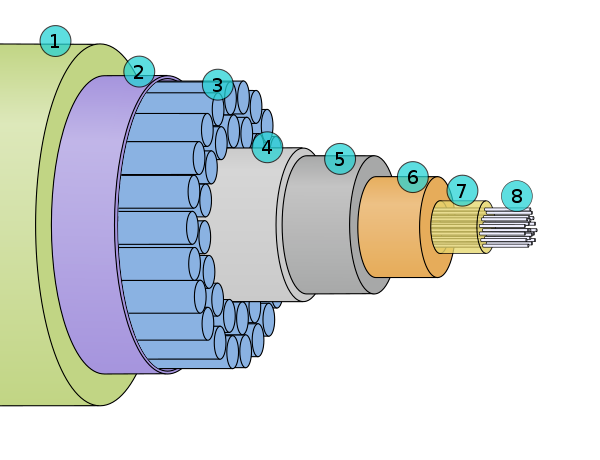
A modern submarine communication cable is a sophisticated piece of technology. Here’s a breakdown of its structure:

1  Polyethylene: This outer layer provides mechanical protection.

2   Mylar Tape: Adds further insulation and protection.

3   Stranded Steel Wires: Strengthens the cable and protects it against physical stresses.

4   Aluminum Water Barrier: Prevents water ingress.

5   Polycarbonate: Provides another layer of insulation.

6   Copper or Aluminum Tube: Houses the petroleum jelly and optical fibers.

7   Petroleum Jelly: Offers additional protection to the fibers.

8   Optical Fibers: The core component that transmits data using light signals.

These cables ensure the seamless transfer of data across vast distances, contributing to the Internet and other communication networks.

Environmental Impact of Undersea Communication Cables

The placement of submarine communication cables in the benthic zone, where most marine life resides, has raised environmental concerns. However, studies conducted in 2003 and 2006 showed minimal impact on marine ecosystems. Sampling of sediment around cables revealed little difference in organism diversity or abundance compared to areas without cables. Interestingly, cables often provide attachment points for anemones, enhancing local biodiversity.

From 1877 to 1955, there were 16 recorded instances of whales becoming entangled in cables. Modern advancements in cable-laying techniques, particularly with fiber-optic and coaxial cables, have eliminated these risks, making submarine communication cables safer for marine life. 

Cable Layer Ships: The Backbone of Undersea Communication Networks

Cable layers, or cable ships, are specialized vessels designed to lay and repair submarine communication cables. There are two primary types:

  • Cable Repair Ships: Smaller and more maneuverable, these ships, like the Japanese Tsugaru Maru, are primarily tasked with fixing broken cables.
  • Cable-Laying Ships: Larger and less maneuverable, these ships, such as Long Lines, are designed to lay new cables quickly and efficiently. They are equipped with linear cable engines (LCE) and large cable storage drums, allowing for the rapid deployment of cables.

The modern cable ships have evolved from their predecessors, featuring advanced technology that allows for faster and more precise cable installation for developing industry.

Submarine Cable Technology: AC vs. DC

Most submarine cables are designed for alternating current (AC) transmission at medium or high voltages, up to 132kV. However, direct current (DC) cables are also used in certain applications, particularly for long-distance power transmission.

Bangladesh’s Submarine Communication Cables

3rd submarine cable in Bangladesh    : Cox’s Bazar

The cable will have core landing stations in Singapore, India, Djibouti, Egypt and France. The Bangladesh branch will stretch to the cable landing station in Cox’s Bazar through the Bay of Bengal. On March 27, 2004, the Government of Bangladesh signed an agreement for the construction and maintenance of submarine cables in Dubai.  Through this agreement with South-East-Asia-Middle-East-West Europe-4 (SEA-ME-WE-4) consortium of  16 telecom companies from 14 countries, Bangladesh has entered the super highway of information technology.  The Bangladesh section is 1,240 km long in this 22,000 km connection line from Marseille, France to Singapore.  Bangladesh joins this network at Cox’s Bazar.  The government has to bear the cost of laying optical fiber from Dhaka and Chittagong to Cox’s Bazar for a distance of 170 km.  On 21 May 2006, Bangladesh joined the information technology giant through the laying of submarine cable.

submarine communications cable

Bangladesh can join new submarines by 2021.  Bangladesh has joined the new C-ME-6 consortium for its third submarine cable.

The entrepreneurs of this consortium have already been informed officially by letter that Bangladesh is staying in this cable.  SEA-ME-WE (SEA-ME-WE) is an abbreviation for Southeast Asia, the Middle East, and Western Europe.As the cable is laid through this area, each cable is named as such.  Such as C-Me-Wee 4, C-Me-Wee 5.  The region’s countries in the latest C-ME-5 consortium included Bangladesh, Singapore, Malaysia, Indonesia, Thailand, Sri Lanka, India, Pakistan, Saudi Arabia, Qatar, Oman, UAE, Djibouti, Egypt, Turkey, Italy, France, Myanmar,  Yemen.

These 19 countries are connected to it through 19 landing points.  The new CMI-6 consortium will also include countries from Southeast Asia, the Middle East and Western Europe.

Now the bandwidth usage in the country has touched one thousand Gbps.  At the end of November 2018, the total number of active internet connections in the country stood at 9.18 million.  Out of which 86.2 million are connected through mobile phones.

Although there are only 57 lakh 35 thousand in number, most of the internet bandwidth is used through broadband.  Apart from this, there are 61,000 WiMAX connections.  tech city 

Durgam has been connected to the national grid by laying 33 kV (kilovolt) overhead line from Cox’s Bazar’s Matarbari sub-station through river crossing towers, 5 km double circuit 33 KV submarine cable with fiber optic under Kutubdia channel and commissioning of 33/11 KV substation at Kutubdia Island.  Island. 3 days ago. 

Conclusion

Submarine communication cables are critical to our global communication infrastructure, connecting continents and enabling the rapid exchange of information. As technology advances, these cables will continue to play an essential role in the global digital ecosystem. Understanding their structure, impact, and the role of cable layer ships can help appreciate the intricate network that supports our modern way of life.

Shuva Sarker

Jr. Instructor, Daffodil Polytechnic Institute 

Telecommunication Technology 

how to develop English speaking skills

How to Develop English Speaking Skills: A Comprehensive Guide

English is one of the most widely spoken languages in the world, and mastering it can unlock countless opportunities, both personally and professionally. Whether you want to advance in your career, travel more easily, or simply communicate better with others, learning how to develop English speaking skills is a valuable pursuit. In this comprehensive guide, we’ll explore practical and effective strategies to help you develop your English speaking skills. We’ll cover everything from foundational tips to advanced techniques, all optimized to ensure you not only learn but retain what you practice.

how to develop English speaking skills

Why Developing English Speaking Skills Is Important

Before diving into the specific steps, it’s essential to understand why improving your English speaking skills is so crucial. In today’s globalized world, English serves as a bridge between cultures, countries, and communities. Whether you’re engaging in business negotiations, socializing with friends from different backgrounds, or consuming media, English is often the medium of communication.

Moreover, strong English speaking skills can significantly boost your confidence. When you’re able to express yourself clearly and effectively, you’re more likely to participate in conversations, share your ideas, and build stronger relationships. This confidence can translate into better job prospects, academic success, and a richer social life.

Practical Tips: How to Improve Your English Speaking Skills

1. Start with the Basics: Vocabulary and Grammar

Understanding how to improve English speaking skills begins with building a strong vocabulary. Start by focusing on everyday words and phrases that you’ll use frequently. Utilize flashcards, mobile apps, and language learning platforms like Duolingo or Memrise to reinforce your learning.

Grammar is just as crucial. While fluency may allow for some flexibility, having a solid grasp of English grammar will help you construct sentences accurately. Focus on the basics, such as tenses, sentence structure, and subject-verb agreement, before advancing to more complex rules.

2. Practice Pronunciation Regularly

Pronunciation can be one of the most challenging aspects of learning English, especially if your native language has different sounds. To improve your pronunciation:

  • Listen to Native Speakers: Watch movies, listen to podcasts, or tune into English-language news channels. Pay attention to how words are pronounced, and try to mimic the sounds as closely as possible.
  • Use Pronunciation Tools: Websites like Forvo, Pronuncian or apps like ELSA Speak can be invaluable in helping you practice and perfect your pronunciation.
  • Record Yourself: Recording your voice and listening back can help you identify areas for improvement. It might feel awkward initially, but it’s an effective method for self-correction.

3. Engage in Active Listening

Active listening is more than just hearing words; it’s about understanding the context, tone, and intent behind them. This skill is essential in learning how to improve English speaking skills:

  • Watch English Media: Whether it’s movies, TV shows, or YouTube videos, immerse yourself in English media. Try to follow along without subtitles initially, then watch again with them to catch any missed words.
  • Listen to Podcasts or Audiobooks: These are great for on-the-go learning. Choose topics you’re interested in to keep yourself engaged while improving your English speaking skills.
  • Practice Shadowing: This technique involves listening to a sentence and then immediately repeating it. It’s a powerful method used by language learners to improve pronunciation, rhythm, and intonation.

4. Speak as Much as Possible

The most effective way to improve your English speaking skills is to speak as often as possible. Here’s how you can incorporate speaking practice into your daily routine:

  • Find a Language Partner: Look for language exchange partners who want to learn your native language while helping you with English. Apps like Tandem or HelloTalk are perfect for this purpose.
  • Join English-Speaking Groups: Many cities have English-speaking clubs or groups where you can practice in a social setting. If you can’t find one nearby, consider joining online groups or forums.
  • Practice with Technology: Use voice assistants like Siri or Google Assistant to ask questions and practice your speaking skills. They’re surprisingly good at understanding various accents and can provide immediate feedback.

5. Think in English

One of the barriers to fluent speaking is the constant translation in your head. To overcome this, start thinking in English. This might sound difficult, but with practice, it becomes second nature.

  • Narrate Your Day: As you go about your daily activities, try describing what you’re doing in English. This will help you build a mental vocabulary that you can easily access during conversations.
  • Plan Conversations: Before engaging in a conversation, especially in English, think about what you want to say. This helps structure your thoughts and reduces the chances of freezing up.

6. Use Technology to Your Advantage

There are countless tools available today that can aid in your journey to improve your English speaking skills:

  • Language Learning Apps: Apps like Babbel, Rosetta Stone, and FluentU offer structured lessons that focus on both speaking and listening skills.
  • Speech Recognition Software: Tools like Google Translate’s conversation mode allow you to practice speaking and receive instant feedback.
  • Virtual Reality (VR): Some platforms offer VR experiences where you can practice speaking in simulated environments, like ordering food in a restaurant or asking for directions.

7. Focus on Fluency, Not Accuracy

While it’s important to speak correctly, don’t let the fear of making mistakes hold you back. Fluency comes from practice, and practice involves making errors. The more you speak, the more comfortable you’ll become, and over time, your accuracy will improve as well.

8. Learn Idioms and Colloquialisms

Native English speakers often use idioms and colloquial expressions that can be confusing for learners. Understanding these phrases will not only improve your comprehension but also make your speech sound more natural.

  • Use Idiom Dictionaries: There are numerous online resources that explain the meanings of idioms and provide examples of how to use them.
  • Watch Local Content: Watching content from different English-speaking countries (like the UK, US, or Australia) can expose you to regional expressions and slang.

9. Get Feedback from Native Speakers

Getting constructive feedback is also crucial when you’re learning to speak English, as it helps you identify areas where you can improve. Native speakers can help you identify areas for improvement that you might not notice yourself.

  • Take Online Courses: Platforms like iTalki or Preply allow you to take one-on-one lessons with native speakers who can give you personalized feedback.
  • Participate in Forums: Engage in online forums or communities where native speakers are active. Sites like Reddit have numerous language learning subreddits where you can ask questions and get feedback.

10. Be Patient and Persistent

Language learning is a marathon, not a sprint. Be patient with yourself and celebrate small wins as you progress. Set realistic goals, and keep in mind that improvement doesn’t happen overnight. The key to learning how to develop English speaking skills is consistency and persistence.

  • Keep a Learning Journal: Track your progress by noting new words, phrases, and expressions you’ve learned. Reflecting on your journey can be a great motivator.
  • Stay Consistent: Try to practice speaking every day, even if it’s just for a few minutes. Consistency is key to improvement and mastering how to improve your English speaking skills.

Conclusion: The Journey to Mastery

Improving your English speaking skills is a journey that requires dedication, practice, and a willingness to step out of your comfort zone. By following the tips and strategies outlined in this guide on how to improve English speaking skills, you can steadily enhance your proficiency and confidence in speaking English. Remember, the aim is to communicate effectively, not to be perfect. With time, patience, and persistence, you’ll find yourself speaking English with greater ease and fluency.

Embark on your journey today and discover how to develop English speaking skills that will transform your life. As your skills improve, you’ll open up new opportunities and broaden your horizons. By focusing on these practical steps and incorporating them into your daily routine, you’ll gradually improve your English speaking skills. The key is to practice consistently, stay patient, and embrace the learning process.

Name: Mst. Sazia Zarin Sarker

Designation: Instructor, Daffodil Polytechnic Institute

Department: English

blogg1212

The Sceptical Chymist

The Sceptical Chymist is a chemistry blog hosted by the prestigious scientific journal, Nature Chemistry. The blog features articles on various aspects of chemistry, including research news, interviews, opinion pieces, and book reviews. It was created to provide a platform for chemists and science writers to discuss and analyze developments in the field of chemistry, as well as broader issues facing the scientific community.

 The blog is named after a book by Robert Boyle, a 17th-century chemist and philosopher, who was known for his skepticism and empirical approach to scientific inquiry. The book, “The Skeptical Chymist,” challenged the prevailing theories of alchemy and introduced the concept of the scientific method, which has since become a cornerstone of modern chemistry.

The Sceptical Chymist blog features contributions from a diverse group of writers, including chemists, science journalists, and educators. The articles cover a wide range of topics, from cutting-edge research in chemistry to broader issues affecting the scientific community. Some of the most popular topics covered in the blog include chemical reactions, materials science, drug discovery, and environmental chemistry.


One of the blog’s strengths is its focus on communicating complex scientific concepts in an accessible and engaging way. The writers use a mix of humor, storytelling, and visual aids to make chemistry interesting and understandable to a broad audience. For example, one recent article used popular TV shows like “Breaking Bad” and “Stranger Things” to explain the chemistry behind various plot points

Another important aspect of The Sceptical Chymist is its commitment to promoting diversity and inclusion in chemistry. The blog features articles and interviews with chemists from diverse backgrounds, and it explores issues related to gender, race, and other forms of identity in the field of chemistry. This focus on inclusivity is important, as it helps to broaden participation in the scientific community and ensures that a wider range of perspectives are represented.

 In conclusion, The Sceptical Chymist is an engaging and informative chemistry blog that provides a platform for chemists and science writers to share their knowledge and insights with a wider audience. Its commitment to promoting diversity and inclusivity in the field of chemistry is also commendable, and it makes the blog an important resource for anyone interested in the latest developments in chemistry and the scientific community more broadly.

Image Source: Google

Written By

Mst.Dowlaton nesa

Jr.Istructor

Daffodil polytechnic institute

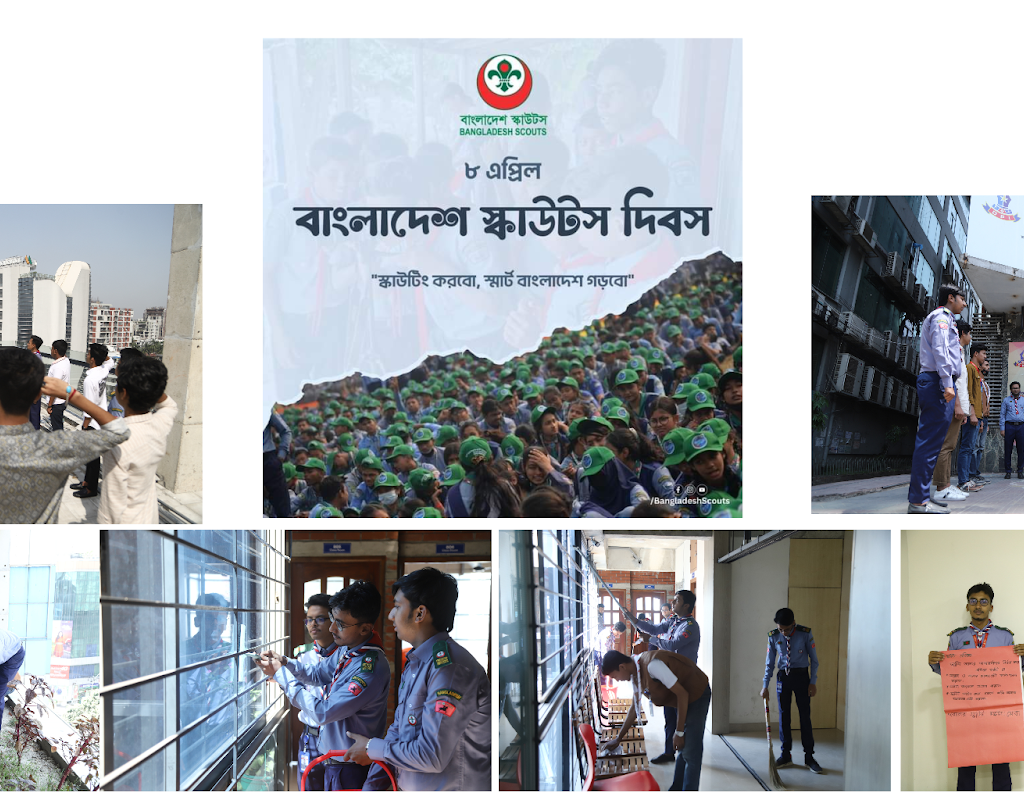
āĻŦāĻžāĻ‚āϞāĻžāĻĻ⧇āĻļ āĻ¸ā§āĻ•āĻžāωāϟ āĻĻāĻŋāĻŦāϏ āωāĻĒāϞāĻ•ā§āώ⧇ āĻĄā§āϝāĻžāĻĢā§‹āĻĄāĻŋāϞ āĻĒāϞāĻŋāĻŸā§‡āĻ•āύāĻŋāĻ• āχāύāĻ¸ā§āϟāĻŋāϟāĻŋāωāĻŸÂ āĻĒāĻžāϞāύ āĻ•āϰāϞ⧋ āĻŦāĻŋāĻļ⧇āώ āĻĄā§‡ āĻ•ā§āϝāĻžāĻŽā§āĻĒ Â 

āĻĄā§āϝāĻžāĻĢā§‹āĻĄāĻŋāϞ āĻĒāϞāĻŋāĻŸā§‡āĻ•āύāĻŋāĻ• āχāύāĻ¸ā§āϟāĻŋāϟāĻŋāωāϟ āϰ⧋āĻ­āĻžāϰ āĻ¸ā§āĻ•āĻžāωāϟ āĻ—ā§āϰ⧁āĻĒ⧇āϰ ā§§ āĻĻāĻŋāύ āĻŦā§āϝāĻžāĻĒā§€ ā§§āĻŽ āĻŦāĻŋāĻļ⧇āώ āĻĄā§‡ āĻ•ā§āϝāĻžāĻŽā§āĻĒ āύāĻŋāϜ āχāĻ¨ā§āϏāϟāĻŋāϟāĻŋāωāϟ āĻĄā§āϝāĻžāĻĢā§‹āĻĄāĻŋāϞ āĻĒāϞāĻŋāĻŸā§‡āĻ•āύāĻŋāĻ• āχāύāĻ¸ā§āϟāĻŋāϟāĻŋāωāϟ āĻāϰ āĻĒā§āϰāϧāĻžāύ āĻ•āĻžāĻ°ā§āϝāĻžāϞāϝāĻŧ āĻŦāĻžāĻĄāĻŧāĻŋ āύāĻ‚-⧍āĻŦāĻŋ, āϰ⧋āĻĄ āύāĻ‚-⧧⧍, āĻŽāĻŋāϰāĻĒ⧁āϰ āϰ⧋āĻĄ, āϧāĻžāύāĻŽāĻ¨ā§āĻĄāĻŋ, āĻĸāĻžāĻ•āĻž- ⧧⧍ā§Ļ⧝ āĻ…āύ⧁āĻˇā§āĻ āĻŋāϤ āĻšāϝāĻŧ⧇āϛ⧇āĨ¤ āĻŦāĻžāĻ‚āϞāĻžāĻĻ⧇āĻļ āĻ¸ā§āĻ•āĻžāωāϟāϏ⧇āϰ āύāĻŋāĻ°ā§āĻĻ⧇āĻļāύāĻž āĻŽā§‹āϤāĻžāĻŦ⧇āĻ— āĻĄā§āϝāĻžāĻĢā§‹āĻĄāĻŋāϞ āĻĒāϞāĻŋāĻŸā§‡āĻ•āύāĻŋāĻ• āχāύāĻ¸ā§āϟāĻŋāϟāĻŋāωāϟ āϰ⧋āĻ­āĻžāϰ āĻ¸ā§āĻ•āĻžāωāϟ āĻ—ā§āϰ⧁āĻĒ āĻĻāĻŋāύāϟāĻŋ āϝāĻĨāĻžāϝāĻĨ āĻŽāĻ°ā§āϝāĻžāĻĻāĻžāϝāĻŧ āĻĒāĻžāϞāύ āĻ•āϰ⧇āϛ⧇āĨ¤Â 

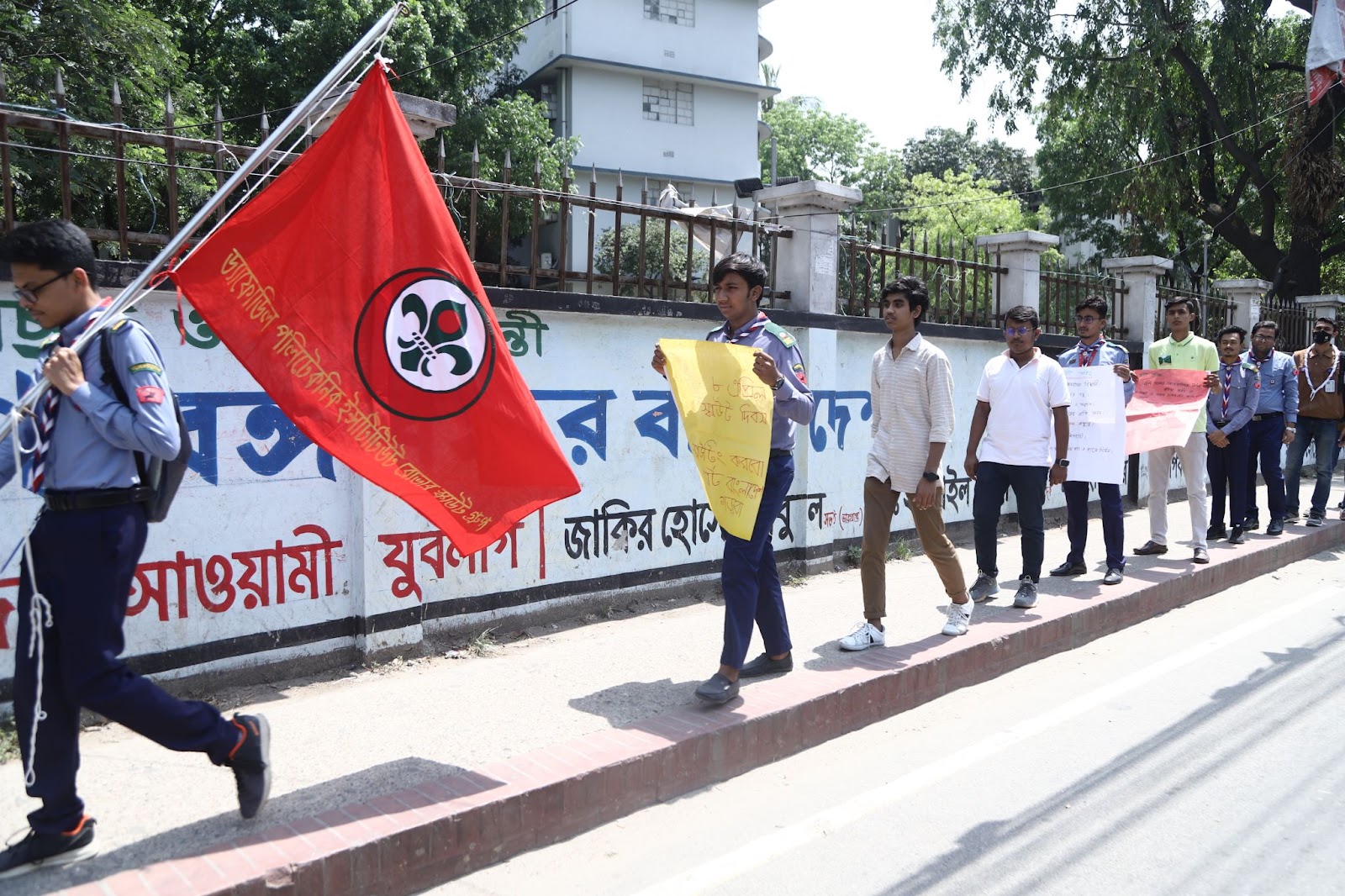
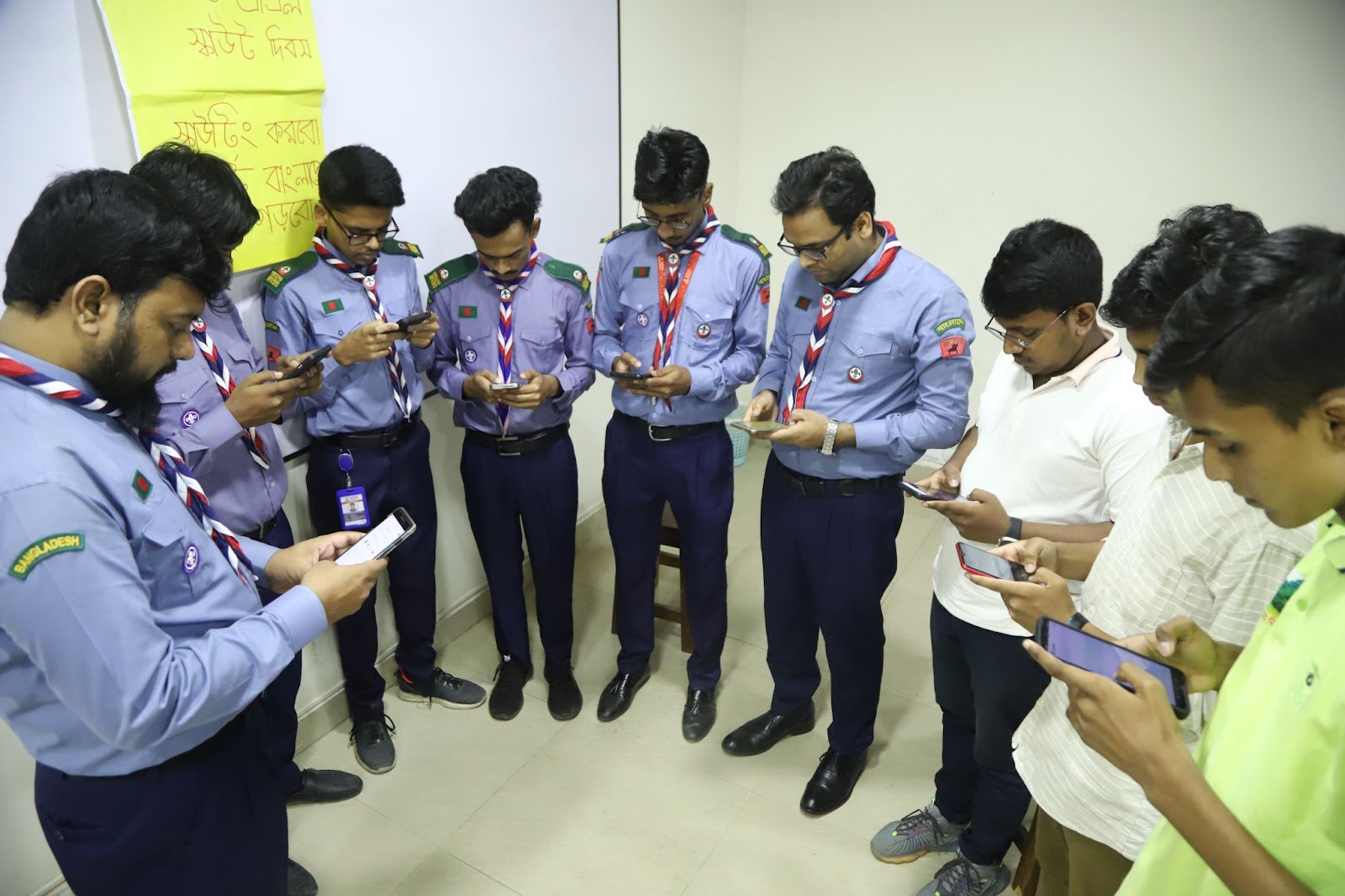
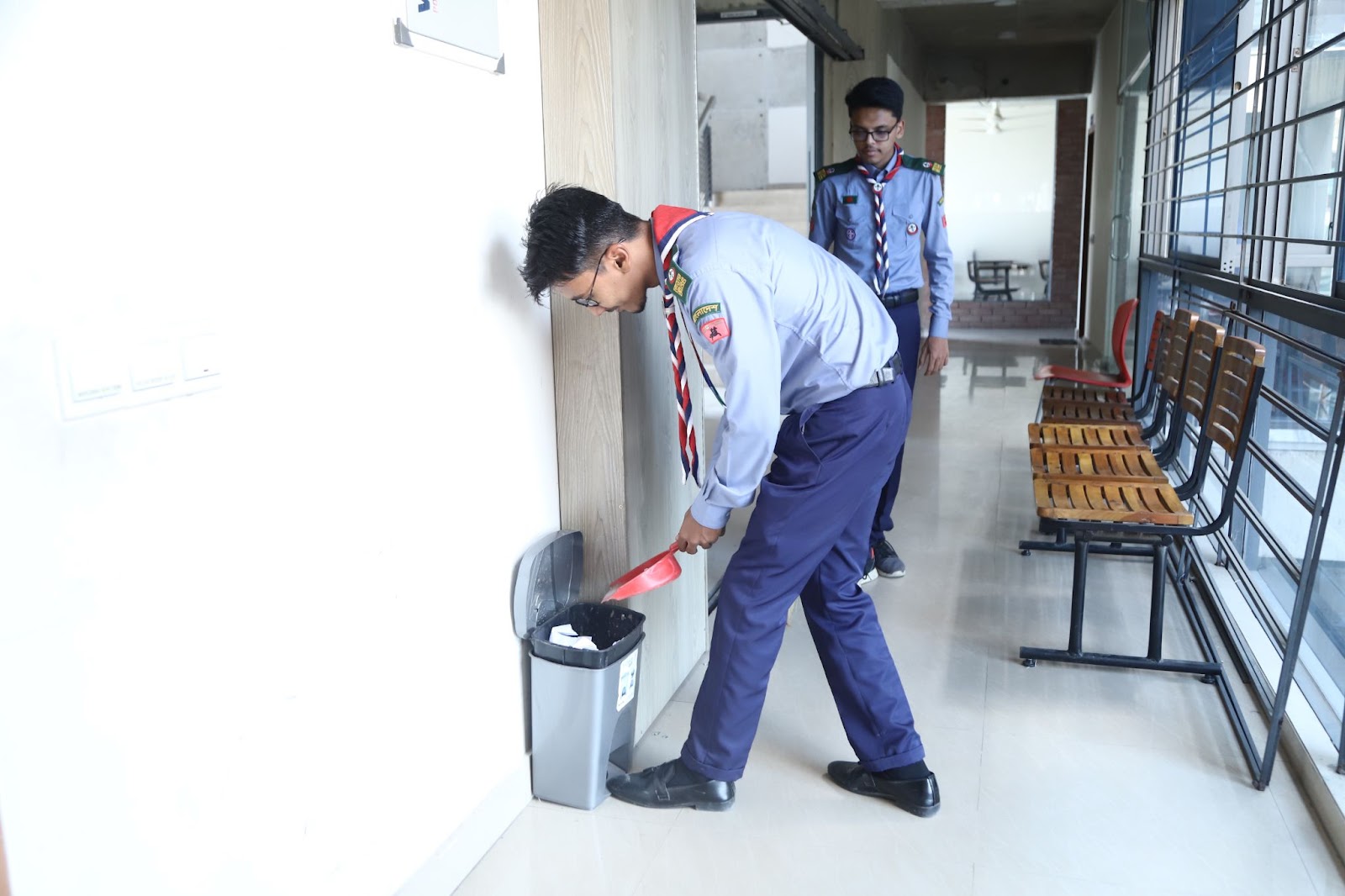
ā§Ž āĻāĻĒā§āϰāĻŋāϞ,⧍ā§Ļā§¨ā§Š āĻļāύāĻŋāĻŦāĻžāϰ ⧍āϝāĻŧ āĻŦāĻžāϰ⧇āϰ āĻŽāϤ āĻĻ⧇āĻļ āĻŦā§āϝāĻžāĻĒā§€ āωāĻĻāϝāĻžāĻĒāĻŋāϤ āĻšāϝāĻŧ⧇āϛ⧇ “āĻŦāĻžāĻ‚āϞāĻžāĻĻ⧇āĻļ āĻ¸ā§āĻ•āĻžāωāϟ āĻĻāĻŋāĻŦāĻ¸â€āĨ¤ āĻāĻŦāĻžāϰ⧇āϰ āĻĨāĻŋāĻŽ āĻ›āĻŋāϞ “āĻ¸ā§āĻ•āĻžāωāϟāĻŋāĻ‚ āĻ•āϰāĻŦā§‹, āĻ¸ā§āĻŽāĻžāĻ°ā§āϟ āĻŦāĻžāĻ‚āϞāĻžāĻĻ⧇āĻļ āĻ—āĻĄāĻŧāĻŦā§‹â€āĨ¤ āĻĻāĻŋāĻŦāϏāϟāĻŋ āωāĻĒāϞāĻ•ā§āώ⧇ āĻĄā§āϝāĻžāĻĢā§‹āĻĄāĻŋāϞ āĻĒāϞāĻŋāĻŸā§‡āĻ•āύāĻŋāĻ• āχāύāĻ¸ā§āϟāĻŋāϟāĻŋāωāϟ āϰ⧋āĻ­āĻžāϰ āĻ¸ā§āĻ•āĻžāωāϟ āĻ—ā§āϰ⧁āĻĒ āĻŦāĻŋāĻ­āĻŋāĻ¨ā§āύ āĻ…āύ⧁āĻˇā§āĻ āĻžāύ āφāϝāĻŧā§‹āϜāύ āĻ•āϰāĻž āĻšāϝāĻŧ⧇āϛ⧇ āϝāĻžāϰ āĻŽāĻ§ā§āϝ⧇ āĻ›āĻŋāϞ āĻĒāϤāĻžāĻ•āĻž āωāĻ¤ā§āϤ⧋āϞāύ⧇āϰ āĻŽāĻžāĻ§ā§āϝāĻŽā§‡ āĻĻāĻŋāĻŦāϏ⧇āϰ āωāĻĻā§āĻŦā§‹āϧāύ āĻ˜ā§‹āώāĻŖāĻž, āϏāĻŽāĻžāϜ āωāĻ¨ā§āύāύāĻŽā§‚āϞāĻ• āĻ•āĻžāĻ°ā§āϝāĻ•ā§āϰāĻŽ āĻ āĻ›āĻŋāϞ āĻļāĻŋāĻ•ā§āώāĻž āĻĒā§āϰāϤāĻŋāĻˇā§āĻ āĻžāύ⧇āϰ āĻļā§āϰ⧇āĻŖā§€ āĻ•āĻ•ā§āώ āĻ“ āφāĻ™ā§āĻ—āĻŋāύāĻž āĻĒāϰāĻŋāĻ¸ā§āĻ•āĻžāϰ āĻĒāϰāĻŋāĻ›āĻ¨ā§āύ āĻ•āĻžāĻ°ā§āϝāĻ•ā§āϰāĻŽ,āĻ•āĻŽā§āĻĒāĻŋāωāϟāĻžāϰ āĻ˛ā§āϝāĻžāĻŦ āĻĒāϰāĻŋāĻ¸ā§āĻ•āĻžāϰ āĻĒāϰāĻŋāĻ›āĻ¨ā§āύ āĻ•āϰ⧋āύ,āĻļāĻŋāĻ•ā§āώāĻž āĻĒā§āϰāϤāĻŋāĻˇā§āĻ āĻžāύ⧇āϰ āĻŦ⧃āĻ•ā§āώ āĻĒāϰāĻŋāϚāĻ°ā§āϝ, āĻ¸ā§āĻŽāĻžāĻ°ā§āϟ āĻ¸ā§āĻ•āĻžāωāϟ āĻ—āĻĄāĻŧāĻžāϰ āϞāĻ•ā§āώ⧇ āĻ¸ā§āĻŽāĻžāĻ°ā§āϟ āĻĢā§‹āύ āĻŦā§āϝāĻŦāĻšāĻžāϰ, āĻ āφāχ āϟ⧁āϞāϏ(chatGPT) āϏāĻš āĻŦāĻŋāĻ­āĻŋāĻ¨ā§āύ āĻ…ā§āϝāĻžāĻĒā§āϏ⧇āϰ āĻŦā§āϝāĻžāĻŦāĻšāĻžāϰ⧇āϰ āĻ•āĻ°ā§āĻŽāĻļāĻžāϞāĻž, āĻ¸ā§āĻ•āĻžāωāϟ āĻ“āύ,āϏāĻšā§‡āϤāύāĻž āĻŽā§‚āϞāĻ• āĻ°â€ā§āϝāĻžāϞāĻŋ, āĻāĻŦāĻ‚ āĻĒāϤāĻžāĻ•āĻž āĻ…āĻŦāύāĻŽāύ⧇āϰ  āĻŽāĻžāĻ§ā§āϝāĻŽā§‡ āĻĒā§āϰ⧋āĻ—ā§āϰāĻžāĻŽ āĻāϰ āϏāĻŽāĻžāĻĒā§āϤāĻŋ āĻ˜ā§‹āώāĻŖāĻžāĨ¤ āĻ āĻ›āĻžāĻĄāĻŧāĻž āĻŦāĻžāĻ‚āϞāĻžāĻĻ⧇āĻļ āĻ¸ā§āĻ•āĻžāωāϟāϏ āĻāϰ āϕ⧇āĻ¨ā§āĻĻā§āϰ⧀āϝāĻŧ āĻ…āύ⧁āĻˇā§āĻ āĻžāύ⧇ āχāωāύāĻŋāϟ āĻĨ⧇āϕ⧇ āϤāĻŋāύāϜāύ āϰ⧋āĻ­āĻžāϰ āĻ¸ā§āĻ•āĻžāωāϟ āĻ…āĻ‚āĻļ āĻ—ā§āϰāĻšāύ āĻ•āϰ⧇āĨ¤

āωāĻĻā§āĻŦā§‹āϧāύ⧀ āĻ…āύ⧁āĻˇā§āĻ āĻžāύ⧇ āĻ—ā§āϰ⧁āĻĒ āĻ•āĻŽāĻŋāϟāĻŋāϰ āϏāϚāĻŋāĻŦ āĻ“ āχāωāύāĻŋāϟ āϞāĻŋāĻĄāĻžāϰ āĻŽā§āĻšāĻžāĻŽā§āĻŽāĻĻ āϏāĻšāĻŋāĻĻ⧁āϞ āχāϏāϞāĻžāĻŽ, āϏāĻš āχāωāύāĻŋāϟ āϞāĻŋāĻĄāĻžāϰ āĻŽā§‹āσ āĻļāĻĢāĻŋāϕ⧁āϞ āχāϏāϞāĻžāĻŽ āĻŽāĻŋāϞāύ āωāĻĒāĻ¸ā§āĻĨāĻŋāϤ āĻ›āĻŋāϞ⧇āύāĨ¤āĻĒāϤāĻžāĻ•āĻž āωāĻ¤ā§āϤāϞāύ⧇āϰ āĻŽāĻžāϧāĻŽā§‡ āĻ•ā§āϝāĻžāĻŽā§āĻĒ⧇āϰ āĻ•āĻžāĻ°ā§āϝāĻ•ā§āϰāĻŽ āĻļ⧁āϰ⧁ āĻ•āϰ⧇āύ āχāωāύāĻŋāϟ āϞāĻŋāĻĄāĻžāϰ āĻŽā§āĻšāĻžāĻŽā§āĻŽāĻĻ āϏāĻšāĻŋāĻĻ⧁āϞ āχāϏāϞāĻžāĻŽāĨ¤ āϏāĻ•āϞ āĻ•āĻžāĻ°ā§āϝāĻ•ā§āϰāĻŽ āϏāĻŽā§āĻĒāĻ¨ā§āύ āĻšāĻ“āϝāĻŧāĻžāϰ āĻĒāϰ āχāωāύāĻŋāϟ āϞāĻŋāĻĄāĻžāϰ āĻĒā§āϰāϤāĻŋāĻˇā§āĻ āĻžāύ⧇āϰ āĻ•āĻ°ā§āĻŽāĻ•āĻ°ā§āϤāĻž, āĻļāĻŋāĻ•ā§āώāĻ•āĻĻ⧇āϰ āϏāĻžāĻĨ⧇ āύāĻŋāϝāĻŧ⧇ āĻĒāϤāĻžāĻ•āĻž āĻ…āĻŦāύāĻŽāύ⧇āϰ  āĻŽāĻžāĻ§ā§āϝāĻŽā§‡ āϏāĻŦāĻžāχāϕ⧇ āϧāĻ¨ā§āϝāĻŦāĻžāĻĻ āϜāĻžāύāĻŋāϝāĻŧ⧇ āĻŦāĻŋāĻļ⧇āώ āĻĄā§‡ āĻ•ā§āϝāĻžāĻŽā§āĻĒ⧇āϰ āϏāĻŽāĻžāĻĒāύ⧀ āĻ…āύ⧁āĻˇā§āĻ āĻžāύ āĻāϰ āϏāĻŽāĻžāĻĒā§āϤāĻŋ āĻ˜ā§‹āώāĻŖāĻž āĻ•āϰ⧇āύāĨ¤

āĻ—ā§āϰ⧁āĻĒ āϏāĻŽā§āĻĒāĻžāĻĻāĻ•

āĻŽā§āĻšāĻžāĻŽā§āĻŽāĻžāĻĻ āϏāĻšāĻŋāĻĻ⧁āϞ āχāϏāϞāĻžāĻŽ

āĻĄā§āϝāĻžāĻĢā§‹āĻĄāĻŋāϞ āĻĒāϞāĻŋāĻŸā§‡āĻ•āύāĻŋāĻ• āχāύāĻ¸ā§āϟāĻŋāϟāĻŋāωāϟ 

āϰ⧋āĻ­āĻžāϰ āĻ¸ā§āĻ•āĻžāωāϟ āĻ—ā§āϰ⧁āĻĒ,āĻĸāĻžāĻ•āĻžāĨ¤āχāωāύāĻŋāϟ āϰ⧇āϜāĻŋāĻˇā§āĻŸā§āϰ⧇āĻļāύ āύāĻ‚ ā§Šā§­ā§¯ā§¨/⧍ā§Ļ⧍⧍

(āϏāĻ‚āϝ⧁āĻ•ā§āϤāĻŋ:  āĻ•ā§āϝāĻžāĻŽā§āĻĒ āĻ›āĻŦāĻŋ)

āĻĄā§āϝāĻžāĻĢā§‹āĻĄāĻŋāϞ āĻĒāϞāĻŋāĻŸā§‡āĻ•āύāĻŋāĻ• āχāύāĻ¸ā§āϟāĻŋāϟāĻŋāωāĻŸÂ -āϰ⧋āĻ­āĻžāϰ āĻ¸ā§āĻ•āĻžāωāϟ āĻ—ā§āϰ⧁āĻĒ ā§§āĻŽ āĻĻā§€āĻ•ā§āώāĻž āĻ“ āĻ•ā§āϝāĻžāĻŽā§āĻĒ āĻ…āύ⧁āĻˇā§āĻ āĻŋāϤ āĻšāϝāĻŧ⧇āϛ⧇

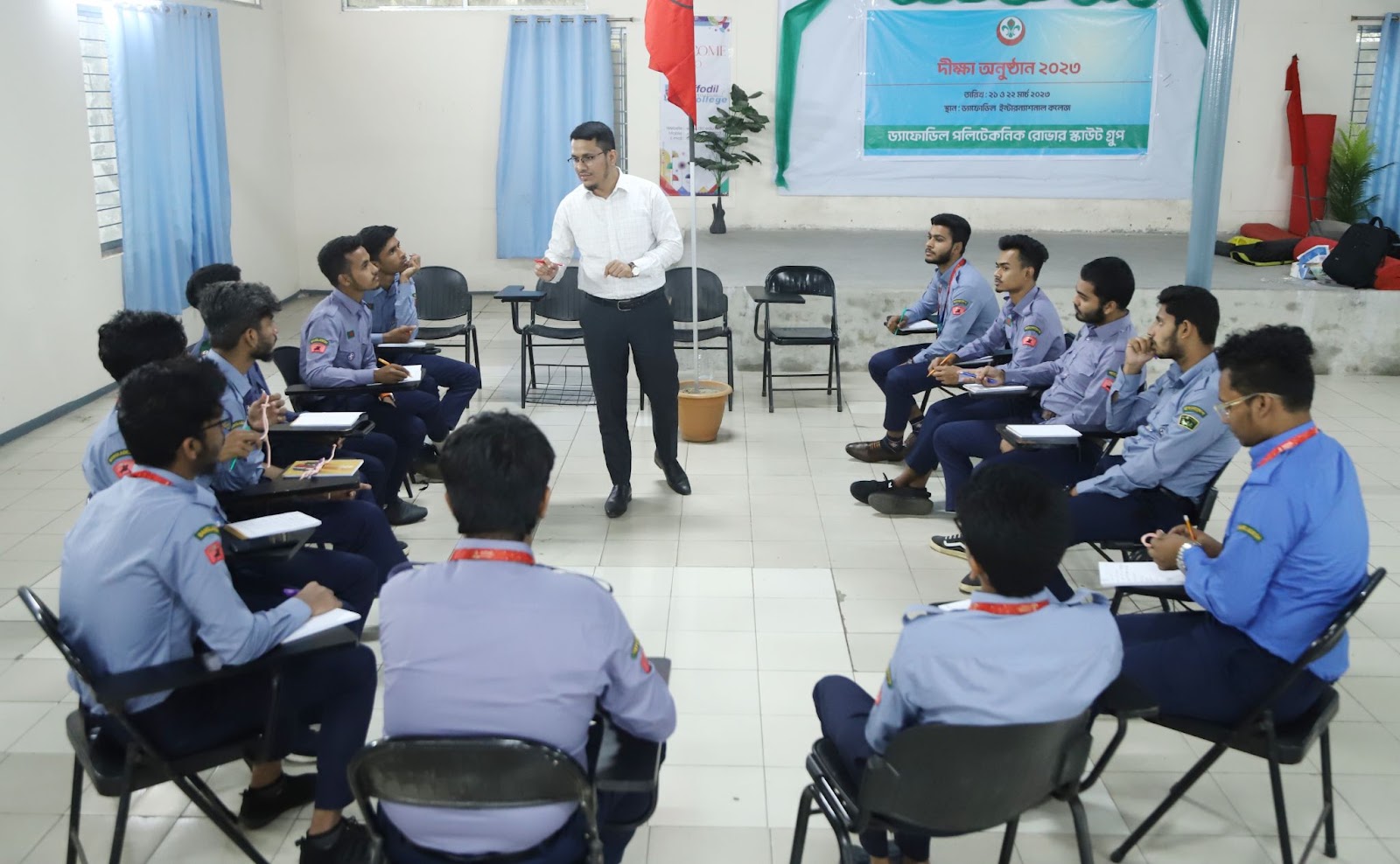
āĻĄā§āϝāĻžāĻĢā§‹āĻĄāĻŋāϞ āĻĒāϞāĻŋāĻŸā§‡āĻ•āύāĻŋāĻ• āχāύāĻ¸ā§āϟāĻŋāϟāĻŋāωāϟ āϰ⧋āĻ­āĻžāϰ āĻ¸ā§āĻ•āĻžāωāϟ āĻ—ā§āϰ⧁āĻĒ⧇āϰ ā§Š āĻĻāĻŋāύ āĻŦā§āϝāĻžāĻĒā§€ ā§§āĻŽ āĻĻā§€āĻ•ā§āώāĻž āĻ•ā§āϝāĻžāĻŽā§āĻĒ āύāĻŋāϜ āχāĻ¨ā§āϏāϟāĻŋāϟāĻŋāωāϟ āĻĄā§āϝāĻžāĻĢā§‹āĻĄāĻŋāϞ āĻĒāϞāĻŋāĻŸā§‡āĻ•āύāĻŋāĻ• āχāύāĻ¸ā§āϟāĻŋāϟāĻŋāωāϟ āĻāϰ āĻĒā§āϰāϧāĻžāύ āĻ•āĻžāĻ°ā§āϝāĻžāϞāϝāĻŧ āĻŦāĻžāĻĄāĻŧāĻŋ āύāĻ‚-⧍āĻŦāĻŋ, āϰ⧋āĻĄ āύāĻ‚-⧧⧍, āĻŽāĻŋāϰāĻĒ⧁āϰ āϰ⧋āĻĄ, āϧāĻžāύāĻŽāĻ¨ā§āĻĄāĻŋ, āĻĸāĻžāĻ•āĻž- ⧧⧍ā§Ļ⧝ āĻ…āύ⧁āĻˇā§āĻ āĻŋāϤ āĻšāϝāĻŧ⧇āϛ⧇āĨ¤ āϰ⧋āĻ­āĻžāϰ āĻ¸ā§āĻ•āĻžāωāϟāĻĻ⧇āϰ āĻŦā§āϝāĻŦāĻšāĻžāϰāĻŋāĻ• āĻŦāĻŋāώāϝāĻŧ⧇ āĻĻāĻ•ā§āώāϤāĻžāϰ āϏāĻžāĻĨ⧇ āύ⧇āϤ⧃āϤ⧇āϰ āϗ⧁āĻŖāĻžāĻŦāϞ⧀ āĻŦ⧃āĻĻā§āϧāĻŋāϰ āϜāĻ¨ā§āϝ āĻāχ āĻ•ā§āϝāĻžāĻŽā§āĻĒ⧇āϰ āφāϝāĻŧā§‹āϜāύ āĻ•āϰāĻž āĻšāϝāĻŧ⧇āϛ⧇āĨ¤

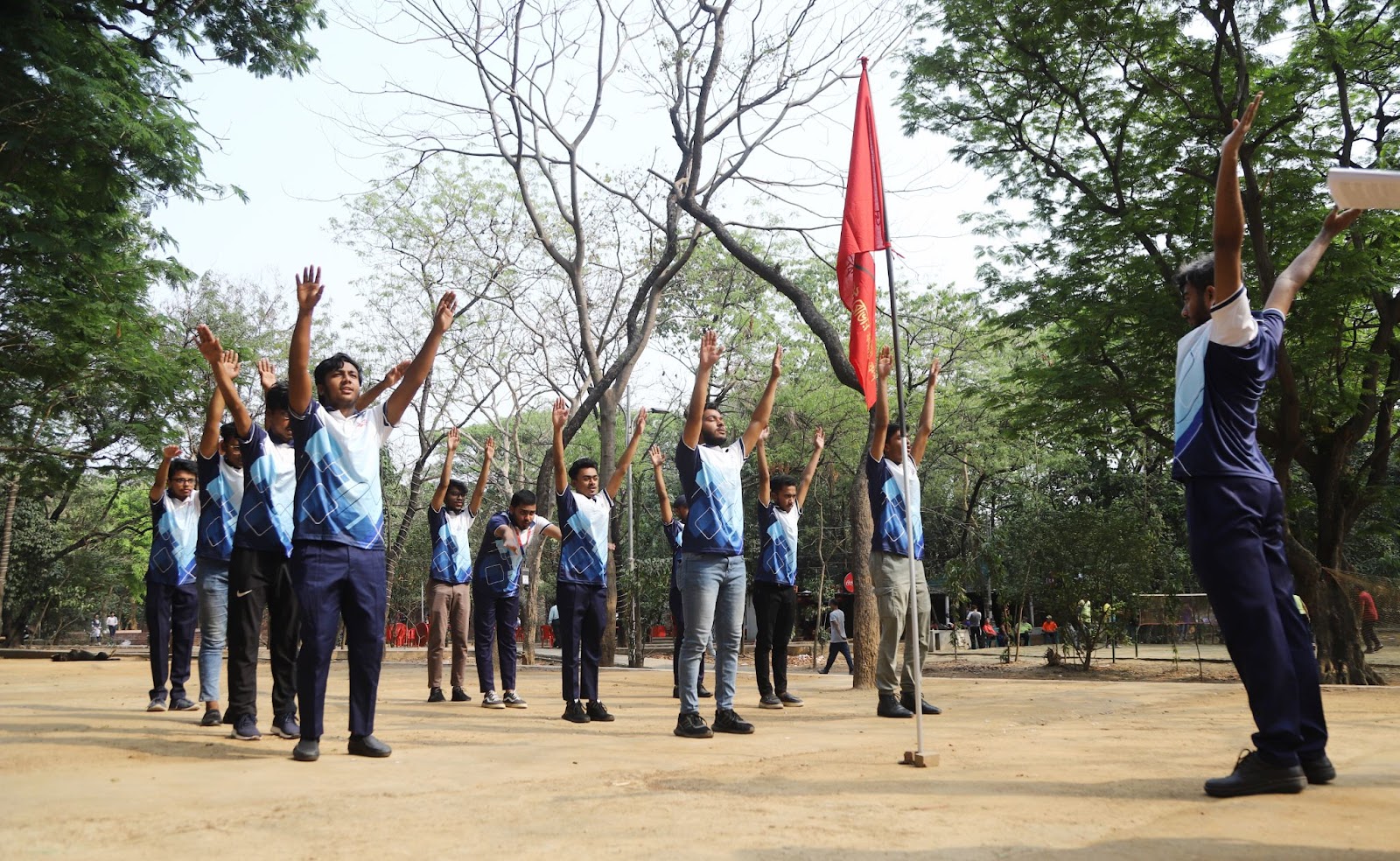
ā§Š āĻĻāĻŋāύ āĻŦā§āϝāĻžāĻĒā§€ āĻ•ā§āϝāĻžāĻŽā§āĻĒ⧇āϰ āĻ…āύ⧁āĻˇā§āĻ āĻžāύāĻŽāĻžāϞāĻžāϰ āĻŽāĻ§ā§āϝ⧇ āĻ›āĻŋāϞ āωāĻĻā§āĻŦā§‹āϧāύ⧀ āĻ…āύ⧁āĻˇā§āĻ āĻžāύ, āĻ•ā§āϝāĻžāĻŽā§āĻĒ⧇ āĻ…āĻŦāĻ¸ā§āĻĨāĻžāύ ,āφāĻ¤ā§āύāĻļ⧁āĻĻā§āϧāĻŋ, āĻĻā§€āĻ•ā§āώāĻž āĻ…āύ⧁āĻˇā§āĻ āĻžāύ, āĻ¸ā§āĻ•āĻžāωāϟ āĻ“āύ,  āϏāĻžāĻ°ā§āϟāĻŋāĻĢāĻŋāϕ⧇āϟ āĻĒā§āϰāĻĻāĻžāύ āĻ“ āϏāĻŽāĻžāĻĒāύ⧀ āĻ…āύ⧁āĻˇā§āĻ āĻžāύāĨ¤ āĻŦāĻŋāĻ­āĻŋāĻ¨ā§āύ āϏ⧇āĻļāύ⧇āϰ āĻŽāĻžāĻ§ā§āϝ⧇āĻŽā§‡ āĻ¸ā§āĻ•āĻžāωāϟ āφāĻ¨ā§āĻĻā§‹āϞāύ⧇āϰ āϞāĻ•ā§āĻˇā§āϝ, āωāĻĻā§āĻĻ⧇āĻļā§āϝ āĻ“ āϏāĻžāĻ‚āĻ—āĻ āύāĻŋāĻ• āĻ•āĻžāĻ āĻžāĻŽā§‹, āĻŦā§āϝāĻžāϜ āĻĒāĻĻā§āϧāϤāĻŋ, āĻ•ā§āϝāĻžāϰāĻŋāϝāĻŧāĻžāϰ āĻĒā§āϞāĻžāύāĻŋāĻ‚ āϏāĻš āĻŽā§āϝāĻžāύāĻžāϰāϏ āĻāĻ¨ā§āĻĄ āĻāϟāĻŋāϕ⧇āϟ āĻŦāĻŋāώāϝāĻŧ⧇ āϧāĻžāϰāĻŖāĻž āĻĒā§āϰāĻĻāĻžāύ āĻ•āϰāĻž āĻšāϝāĻŧāĨ¤ āĻ•ā§āϝāĻžāĻŽā§āĻĒ⧇ āĻ•ā§āϰ -āĻŽāĻŋāϟāĻŋāĻ‚ āĻāϰ āĻŽāĻžāĻ§ā§āϝ⧇āĻŽā§‡ āϰ⧋āĻ­āĻžāϰ āĻ¸ā§āĻ•āĻžāωāϟāĻĻ⧇āϰ āĻĒā§āϰāĻžāĻĨāĻŽāĻŋāĻ• āĻĒā§āϰāϤāĻŋāĻŦāĻŋāϧāĻžāύ, āĻšāĻžāχāĻ•āĻŋāĻ‚, āĻ…āύ⧁āĻŽāĻžāύ āĻ“ āĻĻāĻĄāĻŧāĻŋāϰ āĻ•āĻžāĻœā§‡āϰ āĻ…āύ⧁āĻļā§€āϞāύ āĻ•āϰāĻžāύ⧋ āĻšāϝāĻŧāĨ¤

āωāĻĻā§āĻŦā§‹āϧāύ⧀ āĻ…āύ⧁āĻˇā§āĻ āĻžāύ⧇ āĻ—ā§āϰ⧁āĻĒ āĻ•āĻŽāĻŋāϟāĻŋāϰ āϏāĻš āϏāĻ­āĻžāĻĒāϤāĻŋ āϕ⧇ āĻāĻŽ āĻĒāĻžāϰāϭ⧇āϜ āĻŦāĻŦāĻŋ (āĻĄāĻŋāĻĄāĻŋ),āĻĄā§āϝāĻžāĻĢā§‹āĻĄāĻŋāϞ āĻĒāϞāĻŋāĻŸā§‡āĻ•āύāĻŋāĻ• āχāύāĻ¸ā§āϟāĻŋāϟāĻŋāωāĻŸā§‡āϰ āĻ­āĻžāχāϏ āĻĒā§āϰāĻŋāĻ¨ā§āϏāĻŋāĻĒāĻžāϞ āĻāϏ āĻāĻŽ āϜāĻšāĻŋāϰ⧁āϞ āχāϏāϞāĻžāĻŽ āĻĢāϰāĻšāĻžāĻĻ , āχāωāύāĻŋāϟ āϞāĻŋāĻĄāĻžāϰ āĻŽā§āĻšāĻžāĻŽā§āĻŽāĻĻ āϏāĻšāĻŋāĻĻ⧁āϞ āχāϏāϞāĻžāĻŽ, āϏāĻšāσ āχāωāύāĻŋāϟ āϞāĻŋāĻĄāĻžāϰ āĻŽā§‹āσ āĻļāĻĢāĻŋāϕ⧁āϞ āχāϏāϞāĻžāĻŽ āĻŽāĻŋāϞāύ āωāĻĒāĻ¸ā§āĻĨāĻŋāϤ āĻ›āĻŋāϞ⧇āύāĨ¤ āĻĒāϤāĻžāĻ•āĻž āωāĻ¤ā§āϤāϞāύ⧇āϰ āĻŽāĻžāĻĨāĻŽā§‡ āĻ•āĻžāĻŽā§āĻĒ⧇āϰ āĻ•āĻžāĻ°ā§āϝāĻ•ā§āϰāĻŽ āĻļ⧁āϰ⧁ āĻ•āϰ⧇āύ āχāωāύāĻŋāϟ āϞāĻŋāĻĄāĻžāϰ āĻŽā§āĻšāĻžāĻŽā§āĻŽāĻĻ āϏāĻšāĻŋāĻĻ⧁āϞ āχāϏāϞāĻžāĻŽāĨ¤ 

āĻĻā§€āĻ•ā§āώāĻž āĻ—ā§āϰāĻšāύ⧇āϰ āĻĒā§‚āĻ°ā§āĻŦ⧇ āφāĻ¤ā§āύāĻļ⧁āĻĻā§āϧāĻŋ āϰ⧋āĻ­āĻžāϰ āĻ¸ā§āĻ•āĻžāωāϟāĻ‚āĻ āĻĒā§āϰāĻŦ⧇āĻļ āĻāϰ āĻ…āĻ¨ā§āϝāϤāĻŽ āϏāĻ°ā§āϤ , āĻāĻ•āϜāύ āĻ¸ā§āĻ•āĻžāωāϟ āĻŦāĻŋāĻ­āĻŋāĻ¨ā§āύ āĻĒā§āϰāĻļā§āύ⧇āϰ āĻŽāĻžāĻ§ā§āϝāĻŽā§‡ āύāĻŋāĻœā§‡āϕ⧇ āφāĻ¤ā§āĻŽāĻļ⧁āĻĻā§āϧāĻŋ āĻ•āϰ⧇ āĻĨāĻžāϕ⧇āĨ¤āĻ•ā§āϝāĻžāĻŽā§āĻĒ⧇ āϰāĻžāĻ¤ā§āϰāĻŋ āϝāĻžāĻĒāύ āĻāϰ āĻŽāĻžāĻ§ā§āϝāĻŽā§‡, āύāĻŋāĻœā§‡āϕ⧇ āϏ⧇āĻŦāĻž āĻŽā§‚āϞāĻ• āĻāχ āĻŦ⧃āĻšā§Ž āϏāĻ‚āĻ—āĻ āύ āĻāϰ āϏāĻžāĻĨ⧇ āύāĻŋāĻœā§‡āϕ⧇ āϏāĻŽā§āĻĒ⧃āĻ•ā§āϤ āĻ•āϰāĻŦ⧇ āĻ•āĻŋ āύāĻž?  āĻĻā§€āĻ•ā§āώāĻž āĻ—ā§āϰāĻšāύ⧇āϰ āĻĒā§‚āĻ°ā§āĻŦ⧇  āĻāϟāĻž āύāĻŋāϝāĻŧāĻž āϚāĻŋāĻ¨ā§āϤāĻž āĻ•āϰāĻŦ⧇ āĨ¤ āĻĒā§āϰāĻĨāĻŽ āĻŦāĻžāϰ⧇āϰ āĻŽāϤ ā§§ā§Ē āϜāύ āϰ⧋āĻ­āĻžāϰ āĻ¸ā§āĻ•āĻžāωāϟ āĻāχ āφāĻ¤ā§āύāĻļ⧁āĻĻā§āϧāĻŋ āϏāĻŽā§āĻĒāĻ¨ā§āύ āĻ•āϰ⧇āĨ¤ āωāĻ•ā§āϤ āĻĒā§āϰ⧋āĻ—ā§āϰāĻžāĻŽāϟāĻŋ āĻĒāϰāĻŋāϚāĻžāϞāύāĻž āĻ•āϰ⧇āύ āϰ⧋āĻ­āĻžāϰ āĻ¸ā§āĻ•āĻžāωāϟ āϞāĻŋāĻĄāĻžāϰ āĻāĻŦāĻ‚ āĻŦāĻžāĻ‚āϞāĻžāĻĻ⧇āĻļ āĻ¸ā§āĻ•āĻžāωāϟāϏ āĻāϝāĻŧāĻžāϰ āĻ…āĻžā§āϚāϞ⧇āϰ āϏāĻĻāĻ¸ā§āϝ āύāĻžāϜāĻŽā§āϞ āĻšāĻžāϏāĻžāύ  (āĻĒāĻŋ āφāϰ āĻāϏ, āωāĻĄāĻŦā§āϝāĻžāϜāĻžāϰ), āφāϰ⧋ āωāĻĒāĻ¸ā§āĻĨāĻŋāϤ āĻ›āĻŋāϞ⧇āύ āĻ­āĻžāχāϏ āĻĒā§āϰāĻŋāĻ¨ā§āϏāĻŋāĻĒāĻžāϞ āϜāĻšāĻŋāϰ⧁āϞ āχāϏāϞāĻžāĻŽ āĻĢāϰāĻšāĻžāĻĻ , āϰ⧋āĻ­āĻžāϰ āĻ¸ā§āĻ•āĻžāωāϟ āχāωāύāĻŋāϟ āϞāĻŋāĻĄāĻžāϰ āĻŽā§āĻšāĻžāĻŽā§āĻŽāĻĻ āϏāĻšāĻŋāĻĻ⧁āϞ āχāϏāϞāĻžāĻŽ, āϏāĻš āχāωāύāĻŋāϟ āϞāĻŋāĻĄāĻžāϰ āĻŽā§‹āσ āĻļāĻĢāĻŋāϕ⧁āϞ āχāϏāϞāĻžāĻŽ āĻŽāĻŋāϞāύāĨ¤

āĻĻā§€āĻ•ā§āώāĻž āĻ“ āϏāĻŽāĻžāĻĒāύ⧀ āĻ…āύ⧁āĻˇā§āĻ āĻžāύāϟāĻŋ āĻĒāϰāĻŋāϚāĻžāϞāύāĻž āĻ•āϰ⧇āύ āϰ⧋āĻ­āĻžāϰ āĻ¸ā§āĻ•āĻžāωāϟ āχāωāύāĻŋāϟ  āϞāĻŋāĻĄāĻžāϰ āĻŽā§āĻšāĻžāĻŽā§āĻŽāĻĻ āϏāĻšāĻŋāĻĻ⧁āϞ āχāϏāϞāĻžāĻŽ āĻāĻŦāĻ‚ āϏāĻš āχāωāύāĻŋāϟ āϞāĻŋāĻĄāĻžāϰ āĻŽā§‹āσ āĻļāĻĢāĻŋāϕ⧁āϞ āχāϏāϞāĻžāĻŽ āĻŽāĻŋāϞāύāĨ¤ āωāĻ•ā§āϤ āĻ…āύ⧁āĻˇā§āĻ āĻžāύ⧇ āĻĒā§āϰāϧāĻžāύ āĻ…āϤāĻŋāĻĨāĻŋ āĻšāĻŋāϏ⧇āĻŦ⧇ āωāĻĒāĻ¸ā§āĻĨāĻŋāϤ āĻ›āĻŋāϞ⧇āύ āĻŽā§‹āĻšāĻžāĻŽā§āĻŽāĻĻ āύ⧂āϰ⧁āĻœā§āϜāĻžāĻŽāĻžāύ āĻ—ā§āϰ⧁āĻĒ āϏāĻŋāχāĻ“ āĻĄā§‡āĻĢā§‹āĻĄāĻŋāϞ āĻĢā§āϝāĻžāĻŽāĻŋāϞāĻŋ, āϏāĻ­āĻžāϰ āϏāĻ­āĻžāĻĒāϤāĻŋāĻ¤ā§āĻŦ āĻ•āϰ⧇āύ āĻ—ā§āϰ⧁āĻĒ āĻ•āĻŽāĻŋāϟāĻŋāϰ āϏāĻ­āĻžāĻĒāϤāĻŋ āϕ⧇ āĻāĻŽ āĻšāĻžāϏāĻžāύ āϰāĻŋāĻĒāύ- āĻĒā§āϰāĻŋāĻ¨ā§āϏāĻŋāĻĒāĻžāϞ āĻĄā§āϝāĻžāĻĢā§‹āĻĄāĻŋāϞ āĻĒāϞāĻŋāĻŸā§‡āĻ•āύāĻŋāĻ• āχāύāĻ¸ā§āϟāĻŋāϟāĻŋāωāϟ, āϏāĻš āϏāĻ­āĻžāĻĒāϤāĻŋ āϕ⧇ āĻāĻŽ āĻĒāĻžāϰāϭ⧇āϜ āĻŦāĻŦāĻŋ(āĻĄāĻŋāĻĄāĻŋ), āϏāĻĻāĻ¸ā§āϝ āĻāϏ āĻāĻŽ āϜāĻšāĻŋāϰ⧁āϞ āχāϏāϞāĻžāĻŽ āĻĢāϰāĻšāĻžāĻĻ āĻ­āĻžāχāϏ āĻĒā§āϰāĻŋāĻ¨ā§āϏāĻŋāĻĒāĻžāϞ , āϏāĻĻāĻ¸ā§āϝ āĻŽā§‹āσ āφāĻŦā§āĻĻ⧁āϞ āĻšāĻžāĻ•āĻŋāĻŽ, āϰ⧋āĻ­āĻžāϰ āĻ¸ā§āĻ•āĻžāωāϟ āϞāĻŋāĻĄāĻžāϰ āĻāĻŦāĻ‚ āĻŦāĻžāĻ‚āϞāĻžāĻĻ⧇āĻļ āĻ¸ā§āĻ•āĻžāωāϟāϏ āĻāϝāĻŧāĻžāϰ āĻ…āĻžā§āϚāϞ⧇āϰ āϏāĻĻāĻ¸ā§āϝ āύāĻžāϜāĻŽā§āϞ āĻšāĻžāϏāĻžāύ  (āĻĒāĻŋ āφāϰ āĻāϏ, āωāĻĄ āĻŦā§āϝāĻžāϜāĻžāϰ), āχāωāύāĻŋāϟ āϞāĻŋāĻĄāĻžāϰ āĻŽā§āĻšāĻžāĻŽā§āĻŽāĻĻ āϏāĻšāĻŋāĻĻ⧁āϞ āχāϏāϞāĻžāĻŽ, āϏāĻš āχāωāύāĻŋāϟ āϞāĻŋāĻĄāĻžāϰ āĻŽā§‹āσ āĻļāĻĢāĻŋāϕ⧁āϞ āχāϏāϞāĻžāĻŽ āĻŽāĻŋāϞāύ āϏāĻš āĻ—ā§āϰ⧁āĻĒ āĻ•āĻŽāĻŋāϟāĻŋāϰ āϏāĻ•āϞ āϏāĻĻāĻ¸ā§āϝ, āĻŦāĻŋāĻ­āĻžāĻ—ā§€āϝāĻŧ āĻĒā§āϰāϧāĻžāύāĻ—āĻŖ, āĻ…āĻ¨ā§āϝāĻžāĻ¨ā§āϝ āĻļāĻŋāĻ•ā§āώāĻ•, āϏāĻŽāĻžāĻœā§‡āϰ āĻŦāĻžāĻ•ā§āϤāĻŋ āĻŦāĻ°ā§āĻ— āωāĻĒāĻ¸ā§āĻĨāĻŋāϤ āĻ›āĻŋāϞ⧇āύāĨ¤

āĻ…āύ⧁āĻˇā§āĻ āĻžāύ⧇ āĻŦāĻ•ā§āϤāĻžāϰāĻž āĻŦāϞ⧇āύ, āĻĻā§€āĻ•ā§āώāĻž āĻ…āύ⧁āĻˇā§āĻ āĻžāύ āϰ⧋āĻ­āĻžāϰ āĻ¸ā§āĻ•āĻžāωāϟāĻĻ⧇āϰ āĻœā§€āĻŦāύ⧇ āĻāĻ•āϟāĻŋ āϗ⧁āϰ⧁āĻ¤ā§āĻŦāĻĒā§‚āĻ°ā§āĻŖ āĻ…āĻ§ā§āϝāĻžāϝāĻŧāĨ¤ āφāĻ¤ā§āύāĻļ⧁āĻĻā§āϧāĻŋāϰ āĻŽāĻžāĻ§ā§āϝāĻŽā§‡ āϰ⧋āĻ­āĻžāϰāĻ—āύ āĻĒāϰāĻŋāĻļā§€āϞāĻŋāϤ āĻšāϝāĻŧ⧇ āĻŽāύ⧇ āĻĒā§āϰāĻžāύ⧇ āĻ¸ā§āĻ•āĻžāωāϟ āφāĻ¨ā§āĻĻā§‹āϞāύ⧇ āωāĻœā§āĻœā§€āĻŦāĻŋāϤ āĻšāϤ⧇ āϏāĻšāĻžāϝāĻŧāϤāĻž āĻ•āϰāĻŦ⧇āĨ¤ āĻŦāĻŋāĻĒāĻŋ’āϰ āφāĻĻāĻ°ā§āĻļ⧇ āφāύ⧁āĻĒā§āϰāĻžāύāĻŋāϤ āĻšāϝāĻŧ⧇ āϏāĻŦāĻžāϰ āĻŦāĻžāϏāϝ⧋āĻ—ā§āϝ āĻāĻ•āϟāĻŋ āϏ⧁āĻ¨ā§āĻĻāϰ āĻĒ⧃āĻĨāĻŋāĻŦā§€ āĻ—āĻĄāĻŧ⧇ āϤ⧋āϞāĻžāϰ āϞāĻ•ā§āώ⧇ āϰ⧋āĻ­āĻžāϰ āĻ¸ā§āĻ•āĻžāωāϟāĻĻ⧇āϰ āĻ•āĻžāϜ āĻ•āϰāϤ⧇ āĻšāĻŦ⧇āĨ¤ āĻĄā§āϝāĻžāĻĢā§‹āĻĄāĻŋāϞ āĻĒāϞāĻŋāĻŸā§‡āĻ•āύāĻŋāĻ• āχāύāĻ¸ā§āϟāĻŋāϟāĻŋāωāϟ āϰ⧋āĻ­āĻžāϰ āĻ¸ā§āĻ•āĻžāωāϟ āĻ—ā§āϰ⧁āĻĒ⧇āϰ āĻĒā§āϰāĻĨāĻŽ āĻŦāĻžāϰ⧇āϰ āĻŽāϤ āĻāχ āωāĻĻā§āϝ⧋āĻ— āĻāϰ āĻ­ā§‚āϝāĻŧāϏ⧀ āĻĒā§āϰāĻļāĻ‚āϏāĻž āĻ•āϰ⧇āύ āĻāĻŦāĻ‚ āφāĻ—āĻžāĻŽā§€ āĻĻāĻŋāύāϗ⧁āϞ⧋āϤ⧇ āĻāϰ āϧāĻžāϰāĻž āĻ…āĻŦā§āϝāĻžāĻšāϤ āϰāĻžāĻ–āĻžāϰ āφāĻšāĻŦāĻžāύ āϜāĻžāύāĻžāύāĨ¤

āĻ—ā§āϰ⧁āĻĒ āĻ•āĻŽāĻŋāϟāĻŋāϰ āϏāĻ­āĻžāĻĒāϤāĻŋ āϏāĻŦāĻžāχāϕ⧇ āϧāĻ¨ā§āϝāĻŦāĻžāĻĻ āϜāĻžāύāĻŋāϝāĻŧ⧇ āĻ•ā§āϝāĻžāĻŽā§āĻĒ⧇āϰ āϏāĻŽāĻžāĻĒāύ⧀ āĻ…āύ⧁āĻˇā§āĻ āĻžāύ āĻļ⧇āώ āĻ•āϰ⧇āύāĨ¤

āĻ—ā§āϰ⧁āĻĒ āϏāĻŽā§āĻĒāĻžāĻĻāĻ•

āĻŽā§āĻšāĻžāĻŽā§āĻŽāĻžāĻĻ āϏāĻšāĻŋāĻĻ⧁āϞ āχāϏāϞāĻžāĻŽ

āĻĄā§āϝāĻžāĻĢā§‹āĻĄāĻŋāϞ āĻĒāϞāĻŋāĻŸā§‡āĻ•āύāĻŋāĻ• āχāύāĻ¸ā§āϟāĻŋāϟāĻŋāωāϟ 

āϰ⧋āĻ­āĻžāϰ āĻ¸ā§āĻ•āĻžāωāϟ āĻ—ā§āϰ⧁āĻĒ,āĻĸāĻžāĻ•āĻžāĨ¤āχāωāύāĻŋāϟ āϰ⧇āϜāĻŋāĻˇā§āĻŸā§āϰ⧇āĻļāύ āύāĻ‚ ā§Šā§­ā§¯ā§¨/⧍ā§Ļ⧍⧍

(āϏāĻ‚āϝ⧁āĻ•ā§āϤāĻŋ: āĻĻā§€āĻ•ā§āώāĻž āĻ“ āĻ•ā§āϝāĻžāĻŽā§āĻĒ āĻ›āĻŦāĻŋ)